
The Best Fabric Laser Cutter in 2026 Is a Production Fit, Not a Bigger Box

The best fabric laser cutter in 2026 is usually a CO2 laser cutter matched to your fabric width, cutting pattern, output target, and exhaust plan. A small studio may need a desktop CO2 laser cutter, while a garment factory should use a conveyor fabric laser cutting machine.
If you cut printed textile, choose a vision fabric laser cutter. If you process roll fabric daily, choose an industrial conveyor textile laser cutting machine. If you distribute machines, do not buy only by price. Buy a model you can demo, service, and sell with a chiller, exhaust system, spare parts, and training.
In 2026, the best fabric laser cutter is the one that fits your fabric flow, not the one with the highest wattage.
Fast Selection Table: Which Fabric Laser Cutter Should You Choose?

| Your Situation | Best Fabric Laser Cutter Type | Why It Fits | Recommended KASU Direction | Avoid This Mistake |
|---|---|---|---|---|
| I cut roll fabric every day | Industrial CO2 conveyor fabric laser cutter | Continuous feeding reduces manual handling | Conveyor CO2 laser cutting system | Do not use a desktop machine for factory output |
| I cut printed sublimation fabric | Vision fabric laser cutter | Camera detects printed contours | Vision CO2 laser cutter | Do not cut printed fabric with only file-based positioning |
| I cut felt patches or applique | Flatbed CO2 or applique laser cutter | Clean edge, simple setup, easy demo | Flatbed CO2 laser cutter with camera option | Do not ignore smoke marks on light fabric |
| I sell machines locally | Mid-size flatbed CO2 fabric laser cutter | Easy to demo, ship, install, and service | Distributor-ready CO2 laser cutter package | Do not stock oversized machines first |
| I run a sample room | Desktop or compact flatbed CO2 laser cutter | Low entry cost and fast sample approval | Compact CO2 laser cutter | Do not promise industrial volume |
| I need a textile production line | OEM textile laser cutting system | Matches feeding, cutting, collecting, and workflow | Custom OEM textile laser configuration | Do not start from machine size before process mapping |
This Top 10 Fabric Laser Cutters 2026 guide ranks machine types by real B2B use, not only by catalog specifications.
How I Ranked These Fabric Laser Cutters
I ranked these fabric laser cutters from a B2B buyer’s point of view. I did not rank only by brand name or brochure speed.
In real factory testing, I check the cut edge first. Then I check smoke control, fabric movement, lens contamination, feeding stability, and whether the operator can repeat the same result.
The ranking criteria include:
- Fabric compatibility
- CO2 laser power range
- Working area
- Conveyor or flatbed structure
- Vision camera option
- Smoke extraction design
- Interlock and safety design
- Spare parts availability
- Installation complexity
- Real total cost of ownership
- Distributor resale logic
- OEM project fit
A fabric laser cutter is not just a machine. For B2B buyers, it is a production asset.
Top 10 Fabric Laser Cutters 2026 Quick Comparison
| Rank | Fabric Laser Cutter Type | Best For | Typical Power Range | Typical Work Area | Automation Level | Buyer Fit | My Score |
|---|---|---|---|---|---|---|---|
| 1 | Industrial CO2 Conveyor Fabric Laser Cutter | Roll fabric and garment factories | 100W–300W | 1600 mm+ width | High | OEMs, factories | 9.5/10 |
| 2 | Vision Fabric Laser Cutter | Printed textile and sublimation fabric | 80W–180W | Medium to large | High | Patch and print suppliers | 9.3/10 |
| 3 | Flatbed CO2 Fabric Laser Cutter | Felt, leather, denim, samples | 80W–150W | 900×1300 to 1300×2500 mm | Medium | Distributors, small factories | 9.0/10 |
| 4 | Large Format Textile Laser Cutting Machine | Wide textile rolls | 150W–400W | 1800–3200 mm width | High | Large textile plants | 8.8/10 |
| 5 | CO2 Laser Cutter for Embroidery Applique | Patches, logos, felt letters | 60W–130W | Small to medium | Medium | Applique suppliers | 8.7/10 |
| 6 | Multi-Head Fabric Laser Cutter | Repeated patterns and batch parts | 80W–180W | Medium to large | High | Label and shoe material factories | 8.5/10 |
| 7 | Denim Fabric Laser Cutter | Denim cutting and engraving | 100W–180W | Medium to large | Medium | Denim factories | 8.3/10 |
| 8 | Fabric Laser Cutter for Small Business | Bags, labels, décor | 50W–100W | Small to medium | Low to medium | Small businesses, distributors | 8.1/10 |
| 9 | Desktop CO2 Fabric Laser Cutter | Samples and small studios | 40W–60W | Small format | Low | Entry users | 7.8/10 |
| 10 | OEM Textile Laser Cutting System | Custom production lines | Custom | Custom | Very high | System integrators | 7.6/10 |
OEM textile laser systems score lower as a general recommendation because they need custom project control. It does not mean they have lower production value. For the right factory, an OEM textile laser cutting system can be the highest-value option.
1. Industrial CO2 Conveyor Fabric Laser Cutter
Best for: garment factories, roll fabric processors, OEM textile manufacturers
Why I picked it: it gives the strongest balance of output, labor saving, and production flow
Typical power: 100W–300W
Recommended configuration: conveyor bed, auto-feeder, 100W–180W CO2 for common textile, stronger exhaust zoning, industrial chiller
Buyer fit: high-volume textile buyers
Distributor difficulty: medium to high
After-sales risk: medium if exhaust and feeding are poorly configured
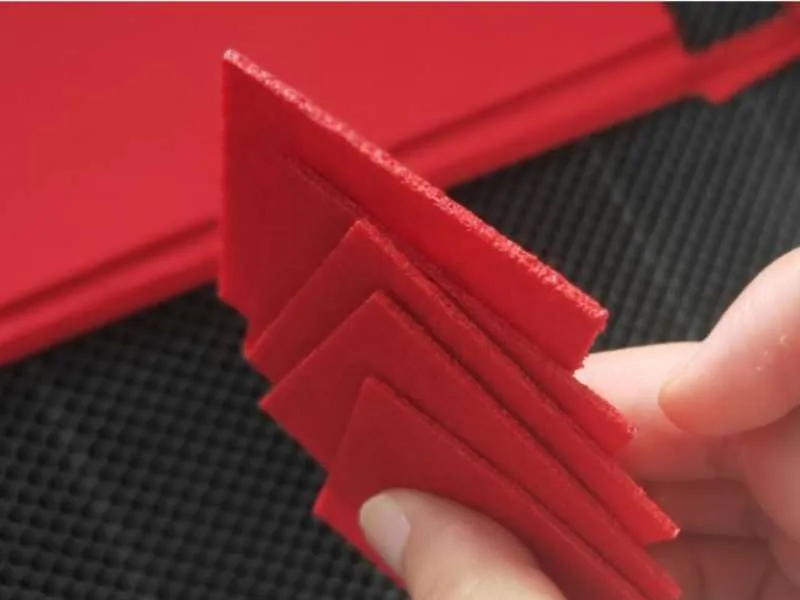
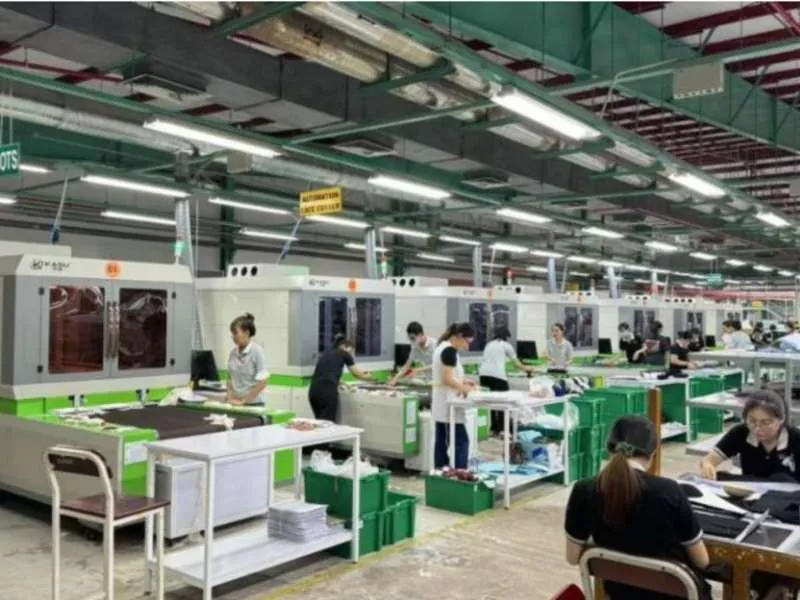
An industrial CO2 conveyor fabric laser cutter is the strongest choice for roll fabric production. It uses a conveyor table and auto-feeding system to move textile material through the cutting area.
This machine is ideal for:
- Polyester fabric rolls
- Nylon fabric
- Sportswear textile
- Home textile
- Non-woven material
- Technical textile
- Garment production
The biggest advantage is workflow. The operator does not need to place every sheet by hand. The conveyor feeds the fabric, the laser cuts the pattern, and finished pieces move forward.
For OEM factories, this reduces manual handling. For distributors, it creates a strong sales message: continuous cutting, lower labor per meter, and cleaner batch control.
For wide roll fabric, confirm the effective cutting width, not only the machine’s outside frame size. Some buyers choose a large-looking machine and later find the usable cutting width does not match their fabric roll.
Avoid it if: the buyer only cuts small sheets or samples. A conveyor fabric laser cutter costs more, takes more space, and needs better exhaust planning.
KASU Engineer Note:
When I test conveyor fabric cutting, I place two reference marks along the fabric edge and watch them during a 3–5 meter feeding test. If the fabric drifts early, the machine may pass one sample but fail a real batch.
2. Vision Fabric Laser Cutter
Best for: printed textile, sublimation fabric, patches, embroidery applique
Why I picked it: printed fabric cutting needs contour recognition, not only XY cutting
Typical power: 80W–180W
Recommended configuration: CCD camera or vision system, stable lighting, 80W–150W CO2 laser, contour cutting software, strong exhaust
Buyer fit: printed textile suppliers and patch factories
Distributor difficulty: medium
After-sales risk: medium if software training is weak
A vision fabric laser cutter uses a camera to detect printed patterns and cut along real contours. This is important because printed fabric often shifts, stretches, or shrinks.
This machine works well for:
- Sublimation sportswear
- Printed labels
- Embroidery patches
- Woven badges
- Digital textile printing
- Logo applique
- Irregular fabric shapes
A normal CO2 laser cutter follows the file. A vision fabric laser cutter follows the printed position. That difference can decide whether the buyer gets clean parts or wasted fabric.
For B2B projects, I always test the camera with real samples. I check lighting, recognition speed, software steps, and contour accuracy.
For low-contrast printed fabric, sample testing is not optional. White graphics on pale fabric, dark graphics on black textile, and busy printed patterns can challenge camera recognition.
Avoid it if: the buyer only cuts plain color fabric and does not need contour cutting. A standard flatbed or conveyor CO2 laser cutter may be more cost-effective.
KASU Engineer Note:
For printed fabric, I never approve the machine after one perfect sample. I test light colors, dark colors, and at least one busy printed pattern. Vision systems often fail on low-contrast edges if lighting and software settings are not prepared well.
3. Flatbed CO2 Fabric Laser Cutter
Best for: felt, leather, denim, samples, sheet fabric
Why I picked it: it is the most balanced fabric laser cutting machine for many B2B buyers
Typical power: 80W–150W
Recommended configuration: 900×1300 mm or 1300×2500 mm table, 100W–150W CO2 laser, honeycomb or knife table, chiller, exhaust fan
Buyer fit: distributors, small factories, sample centers
Distributor difficulty: low to medium
After-sales risk: low to medium
A flatbed CO2 fabric laser cutter is one of the most practical choices for textile buyers. It works well for sheet fabric, felt, denim samples, leather, non-woven materials, and small batch production.
Common table sizes include:
- 600×900 mm
- 900×1300 mm
- 1300×2500 mm
- Custom large-format options
Flatbed machines are easier to install than conveyor systems. They cost less, use simpler mechanics, and are easier for distributors to train.
This makes the flatbed CO2 fabric laser cutter a strong middle option. It is more capable than a desktop machine but less complex than a full conveyor line.
A honeycomb table works well for many small textile pieces. A knife table may improve airflow and reduce backside marks on some larger fabric panels. The correct table depends on the fabric, part size, and smoke behavior.
You can review related KASU options through our CO2 laser cutting machine category.
Avoid it if: the buyer cuts long fabric rolls every day. A flatbed machine cannot match a conveyor textile laser cutting machine for continuous roll production.
KASU Engineer Note:
Flatbed machines are often the safest first stock model for distributors. I do not suggest new distributors start with oversized textile lines. A mid-size flatbed CO2 model is easier to demo, ship, install, and service.
4. Large Format Textile Laser Cutting Machine
Best for: wide fabric rolls, home textile, technical textile
Why I picked it: width matters when buyers process industrial textile rolls
Typical power: 150W–400W
Recommended configuration: 1600–3200 mm width, conveyor table, zone exhaust, roll feeding, industrial chiller, installation plan
Buyer fit: large textile plants
Distributor difficulty: high
After-sales risk: medium to high
Large format textile laser cutting machines are built for wide material. Machines in this class may support 1600 mm, 1800 mm, or even wider fabric rolls.
They suit:
- Home textile factories
- Curtain fabric suppliers
- Automotive interior textile producers
- Technical textile manufacturers
- Industrial filter fabric processors
- Large garment factories
Industrial suppliers such as eurolaser show wide-format textile laser machine logic for large roll materials and automated textile processing on their textile laser cutter application page.
The machine must match the factory layout. Buyers should confirm floor space, exhaust route, door access, voltage, foundation, and operator movement before ordering.
Avoid it if: the buyer has no local installation support or no stable high-volume orders. A large format textile laser cutter can become a costly idle machine.
KASU Engineer Note:
I always ask for workshop photos before confirming a large format textile laser cutter. Many buyers measure only the machine footprint. They forget space for loading rolls, removing parts, exhaust ducts, and maintenance access.
5. CO2 Laser Cutter for Embroidery Applique
Best for: patches, applique fabric, felt letters, logo cutouts
Why I picked it: it is easy to demo and easy for buyers to understand
Typical power: 60W–130W
Recommended configuration: 60W–100W CO2 laser, camera option if cutting printed patches, honeycomb table, exhaust fan, small spare optics kit
Buyer fit: embroidery factories and patch suppliers
Distributor difficulty: low to medium
After-sales risk: low
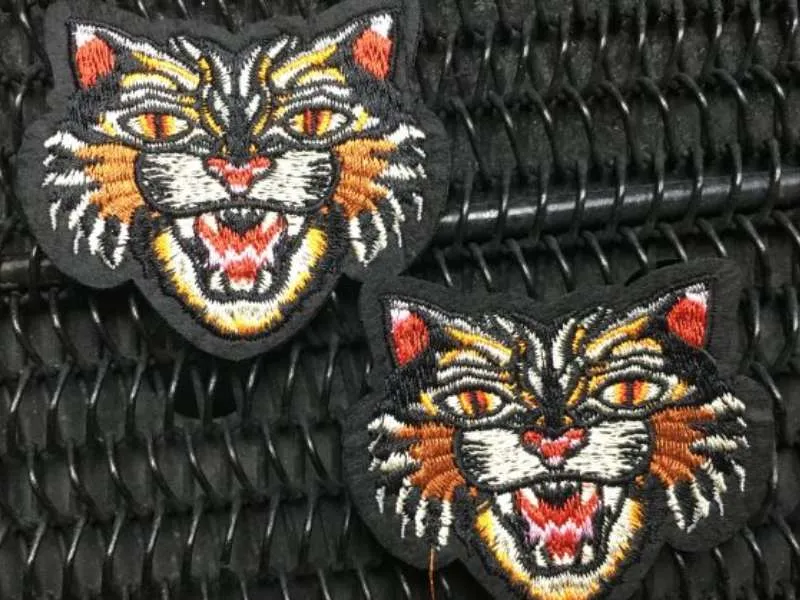
A CO2 laser cutter for embroidery applique is one of the easiest machines to sell because the result is visual. Buyers can see clean fabric letters, sealed felt edges, and accurate logo shapes.
It fits:
- Embroidery patches
- Applique fabric
- Felt letters
- Twill fabric
- Badge production
- Sports team logos
- Decorative textile parts
For applique, cutting speed is not the only issue. The buyer should check edge color, smoke marks, fabric movement, and repeat accuracy.
A camera option helps when cutting printed or embroidered patterns. A honeycomb table or knife table can improve airflow, depending on material.
Avoid it if: the buyer needs heavy roll fabric production. Applique laser cutters are strong for parts and logos, not continuous textile processing.
KASU Engineer Note:
For applique samples, I like to cut both small letters and large curves. Small letters show beam control. Large curves show motion stability. A machine that passes both tests is easier for distributors to demo.
6. Multi-Head Fabric Laser Cutter
Best for: repeated patterns, labels, shoe parts, batch textile pieces
Why I picked it: it can improve output when patterns repeat
Typical power: 80W–180W depending on structure
Recommended configuration: two-head or four-head layout, synchronized motion, test nesting file, stable table support, spare head alignment tools
Buyer fit: repeated batch production
Distributor difficulty: medium to high
After-sales risk: medium
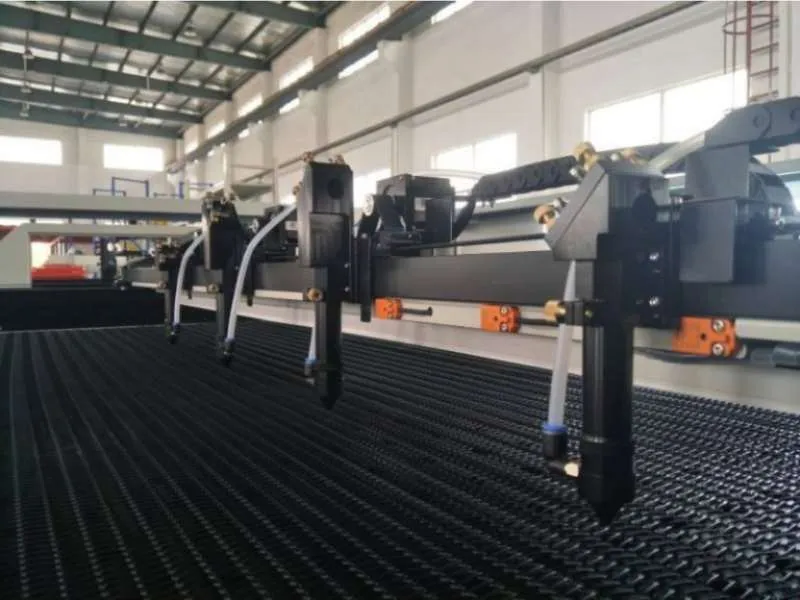
A multi-head fabric laser cutter uses more than one laser head to cut repeated shapes. It can improve output when the buyer cuts the same pattern across the table.
Common applications include:
- Fabric labels
- Felt pads
- Shoe upper parts
- Repeated garment accessories
- Patch blanks
- Textile components
The benefit is parallel cutting. The risk is head alignment. If one head drifts, one section of the batch becomes wrong.
Before choosing this machine, buyers should send real cutting files. If orders change often, a single-head vision laser cutter may be better.
Avoid it if: the buyer produces many small custom orders with changing shapes. Multi-head systems work best when patterns repeat.
KASU Engineer Note:
I never recommend multi-head cutting before checking the nesting file. Some buyers think more heads always mean more output. In reality, bad nesting can waste both fabric and machine time.
7. Denim Fabric Laser Cutter
Best for: denim cutting, engraving, distressing, decorative effects
Why I picked it: denim needs specific smoke and edge testing
Typical power: 100W–180W
Recommended configuration: 100W–150W CO2 laser for most cutting tests, strong exhaust, stable table support, sample test on front and back side
Buyer fit: denim factories and garment processors
Distributor difficulty: medium
After-sales risk: medium
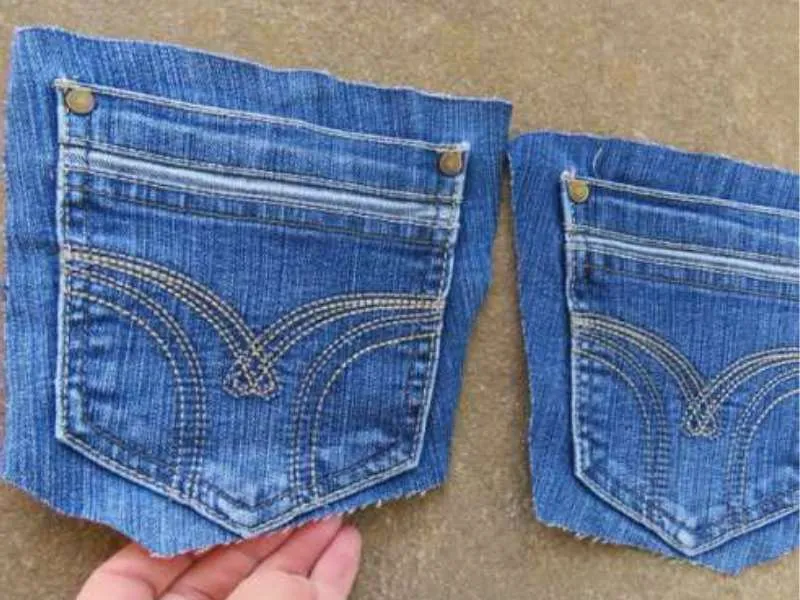
A denim fabric laser cutter can cut denim panels and engrave denim surfaces. Some buyers use laser systems for distressing, whisker patterns, and decorative effects.
Denim creates more smoke than thin fabric. It also shows backside marks if airflow is weak.
When I test denim fabric laser cutting, I check:
- Front edge quality
- Backside smoke stain
- Edge darkness
- Odor and exhaust
- Cutting speed
- Fabric shrinkage
- Pattern repeatability
A CO2 laser cutter for denim needs stable power control and strong exhaust. Too much power can darken the edge. Too little power can leave uncut fibers.
Avoid it if: the buyer has no exhaust plan. Denim laser cutting without smoke control can make a good machine look bad.
KASU Engineer Note:
I always flip denim samples over. Many buyers only look at the front side. The backside tells me whether airflow, table support, and cutting speed are correct.
8. Fabric Laser Cutter for Small Business
Best for: bags, labels, home décor, custom fabric products
Why I picked it: it is a practical starter product for distributors
Typical power: 50W–100W
Recommended configuration: enclosed CO2 laser cutter, 50W–100W laser tube, moderate bed size, chiller, exhaust fan, beginner training files
Buyer fit: small businesses and local production shops
Distributor difficulty: low
After-sales risk: low to medium
A fabric laser cutter for small business usually sits between desktop and industrial machines. It may use a 50W–100W CO2 laser tube, a moderate work area, and a safer enclosure.
It is common for:
- Custom bags
- Fabric labels
- Felt products
- Home décor
- Apparel samples
- Small patch production
- Local textile customization
For small buyers, the machine must be easy to learn. Software workflow, exhaust, spare parts, and training files matter more than maximum speed.
For distributors, this category is repeatable. It is easier to sell than a large industrial system and more useful than a hobby machine.
Avoid it if: the buyer needs continuous roll cutting or multi-shift factory production.
KASU Engineer Note:
For small business buyers, I prefer stable settings over high advertised speed. A slower but repeatable cut saves more money than a fast cut that creates rejected pieces.
9. Desktop CO2 Fabric Laser Cutter
Best for: samples, design studios, small patches
Why I picked it: it is affordable and easy to demonstrate
Typical power: 40W–60W
Recommended configuration: enclosed desktop CO2 laser cutter, basic exhaust, small chiller or cooling system, spare lens, simple sample files
Buyer fit: sample rooms and entry users
Distributor difficulty: low
After-sales risk: medium if users expect factory output
A desktop CO2 fabric laser cutter is suitable for small samples, light fabric, felt, paper patterns, and small patch work. It is compact and has a lower purchase price.
For distributors, desktop models can work as entry-level showroom machines. They help buyers understand laser cutting before moving to larger equipment.
But desktop CO2 machines have limits. The table is small. Exhaust is weaker. Cooling and duty cycle may not fit daily factory use.
Avoid it if: the buyer wants industrial fabric cutting capacity. A desktop CO2 laser cutter can cut samples, but it should not promise factory output.
KASU Engineer Note:
I tell distributors to position desktop machines honestly. Sell them as sample and small-product machines. Do not sell them as garment factory machines, or service problems will follow.
10. OEM Textile Laser Cutting System
Best for: custom production lines and system integration
Why I picked it: it solves workflow problems, not just cutting problems
Typical power: custom
Recommended configuration: custom feeding, cutting, collecting, rewinding, nesting software, voltage customization, FAT process, export packing plan
Buyer fit: OEM manufacturers and system integrators
Distributor difficulty: high
After-sales risk: high without project control
An OEM textile laser cutting system is not a standard catalog machine. It may include feeding, cutting, collection, rewinding, barcode workflow, nesting software, and integration with other equipment.
It fits:
- OEM textile manufacturers
- System integrators
- Automated garment lines
- Technical textile plants
- Export factories
- Buyers with repeat production
For this type of project, I do not start with machine size. I start with workflow.
I ask:
- What fabric width do you use?
- What is the daily output target?
- Do you cut sheets or rolls?
- Do you need contour cutting?
- What file format does your design team use?
- What voltage does your factory require?
- Do you need CE documentation?
- Who will install and maintain the system?
KASU supports custom project selection through our laser cutting machine range and factory configuration process.
Avoid it if: the buyer has no clear production flow or no technical team. A custom OEM system needs project discipline.
KASU Engineer Note:
For OEM projects, I ask for cutting files before I discuss the final quotation. The file tells me more than a long meeting. It shows pattern density, motion demand, nesting efficiency, and real production difficulty.
Fabric Laser Cutter Selection Matrix by Buyer Type
| Buyer Type | Best Machine Type | Suggested Power Range | Key Feature | Main Buying Risk | Best Sales Logic |
|---|---|---|---|---|---|
| Distributor | Small business CO2 + flatbed CO2 | 50W–150W | Easy demo and service | Weak spare parts plan | Sell machine + chiller + exhaust + parts |
| OEM Manufacturer | Conveyor fabric laser cutter | 100W–300W | Continuous roll cutting | Poor feeding stability | Lower labor cost per meter |
| System Integrator | OEM textile laser system | Custom | Custom workflow | Integration delay | Project engineering value |
| Garment Factory | Conveyor CO2 fabric laser cutter | 100W–180W | Roll fabric handling | Smoke and fire risk | Stable output and cleaner edge |
| Patch Supplier | Vision fabric laser cutter | 80W–150W | Contour cutting | Camera mismatch | Less waste on printed patterns |
| Sample Room | Desktop or flatbed CO2 | 40W–100W | Fast sampling | Limited production capacity | Faster sample approval |
A distributor should not only ask, “Which machine is cheapest?” A better question is, “Which machine can I sell ten times with fewer service problems?”
That is the difference between a product and a business model.
Desktop vs Flatbed vs Conveyor vs Vision Fabric Laser Cutter
| Machine Type | Best Use | Main Benefit | Main Limitation | Distributor Fit |
|---|---|---|---|---|
| Desktop CO2 | Samples and small products | Low entry cost | Small work area | Good entry SKU |
| Flatbed CO2 | Sheet fabric, felt, leather, denim | Balanced cost and capacity | Not continuous roll cutting | Strong main SKU |
| Conveyor CO2 | Roll fabric production | Continuous feeding | Higher installation demand | Strong industrial SKU |
| Vision CO2 | Printed fabric and patches | Contour accuracy | Software training needed | Strong specialty SKU |
| OEM System | Integrated textile line | Custom workflow | Project complexity | Best for advanced distributors |
This table is often the fastest way to avoid a wrong purchase.
If the buyer cuts plain fabric sheets, use a flatbed CO2 machine. If the buyer cuts rolls, use a conveyor machine. If the buyer cuts printed fabric, use a vision system.
Common Buying Mistakes I See in Fabric Laser Cutter Projects
The most common mistake is choosing by wattage. More power does not always mean better fabric cutting.
Too much power can burn cotton, darken denim, or create hard melted edges on synthetic fabric. Too little power can leave fibers uncut.
Other mistakes include:
- Buying a desktop CO2 laser cutter for factory production
- Cutting printed fabric without a vision system
- Choosing a conveyor system without testing feeding stability
- Ignoring exhaust design
- Forgetting local voltage
- Asking for CE documents after shipment
- Not preparing spare parts
- Cutting coated fabric without material review
- Comparing only machine price, not TCO
A fabric laser cutting machine must match the real workflow. Brochure numbers do not replace sample testing.
My Practical Recommendation for 2026 Buyers
If you cut samples or small fabric parts, start with a 50W–100W flatbed CO2 laser cutter. It is easier to use, easier to maintain, and safer for first-time buyers.
If you cut roll fabric every day, move to a 100W–300W conveyor CO2 fabric laser cutter. Feeding stability will matter more than extra wattage.
If you cut printed textile, do not skip the camera. A vision fabric laser cutter can reduce waste and improve contour accuracy.
If you build an OEM textile line, do not start from a catalog photo. Start from fabric width, cutting file, output target, operator position, exhaust route, and installation plan.
A good fabric laser cutter should make production easier after delivery. If it only looks attractive before shipment, it is not the right machine.

FAQ
What is the best fabric laser cutter in 2026?
The best fabric laser cutter in 2026 is a CO2 laser cutter matched to fabric width and output. Small shops can use desktop or flatbed CO2 machines. Factories usually need conveyor textile laser cutting machines.
How do I choose the best fabric laser cutter for my production?
Choose by fabric width, material type, pattern, output target, and feeding method. Do not choose only by wattage. Roll fabric usually needs conveyor feeding, while printed fabric often needs a vision system.
What is the best fabric laser cutting machine for distributors?
The best machine for distributors is usually a mid-size flatbed CO2 fabric laser cutter. It is easier to demo, ship, install, and service than a large industrial textile laser system.
Can a CO2 laser cutter cut cotton fabric?
Yes, a CO2 laser cutter can cut cotton fabric. Buyers should test power, speed, airflow, and exhaust because cotton can show browning or burn marks.
What laser power is best for fabric cutting?
Many fabric laser cutting projects use 60W–150W CO2 power. Industrial conveyor systems may use 100W–300W or more, depending on thickness, speed, and output needs.
Do I need a conveyor fabric laser cutter?
You need a conveyor fabric laser cutter for roll fabric or long textile patterns. If you only cut sheets or samples, a flatbed CO2 laser cutter may be enough.
Need Help Choosing the Right Fabric Laser Cutter?
For roll-fed fabric in production, the K1814-S2 double-head auto-feeding laser cutter cuts from the roll on a conveyor. For printed or sublimated fabric that must be cut on the print, the KX1810-F2 CCD laser cutter locates each piece with a camera. Lace and lingerie work runs on the KD9015-SY lace laser cutting machine. See the full range on our fabric laser cutting machine page.
Send KASU your fabric type, roll width, cutting file, and target output. Our engineering team will suggest the suitable machine structure, laser power range, exhaust direction, and spare parts package.