
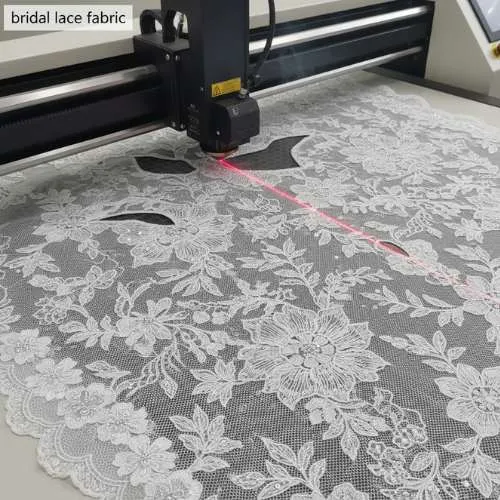
Lace Laser Cutter 101: Core Specs Decoded
Lace laser cutter is used by textile manufacturers to cut lace fabrics with complex patterns and delicate structures. If you produce embroidered lace, bridal lace, or lingerie lace, you need a lace laser cutter that can follow fabric contours with high precision. Lace laser cutter uses a CO₂ laser beam to cut lace fabrics without mechanical contact. The laser melts or vaporizes fibers during cutting, creating sealed fabric edges that prevent fraying. This method supports cotton lace, polyester lace, nylon lace, and elastic lace materials. In garment production, a lace laser cutter is widely used for bridal lace trimming, lingerie lace patterns, embroidered lace patches, and decorative lace elements. Many systems integrate CCD vision positioning to detect printed or embroidered lace contours before cutting.
Lace Laser Cutter Use Cases on the Shop Floor
Lace laser cutter machines are selected according to final lace product applications. Lace used in garments, lingerie, or embroidery patches varies in density and decorative structure, which influences cutting accuracy requirements and machine configuration.

Lace Laser Cutter For Garment Lace
Lace laser cutter machines for garment lace are used to cut lace panels and decorative trims integrated into fashion garments. This configuration supports polyester lace, nylon lace, and mixed fiber lace fabrics commonly used in apparel manufacturing.
- Laser type: CO₂ laser
- Power range: 80W–130W
- Typical users: garment manufacturers

Lace Laser Cutter For Bridal Lace
Lace laser cutter machines for bridal lace process dense lace fabrics with complex embroidery structures used in wedding dresses. High contour precision ensures detailed lace patterns remain intact during cutting operations.
- Laser type: CO₂ laser
- Cutting accuracy: ±0.1mm
- Typical users: bridal dress manufacturers

Lace Laser Cutter For Lingerie Lace
Lace laser cutter machines for lingerie lace cut delicate elastic lace fabrics used in underwear and intimate apparel production. Laser cutting creates sealed edges that prevent fiber fraying in thin lace materials.
- Laser type: CO₂ laser
- Power range: 80W–100W
- Typical users: lingerie manufacturers

Lace Laser Cutter For Embroidery Lace
Lace laser cutter machines for embroidery lace process embroidered lace fabrics with decorative thread layers. Laser cutting follows lace contours to separate embroidered patterns from the base textile sheet.
- Laser type: CO₂ laser
- Positioning system: optional CCD camera
- Typical users: embroidery lace factories
Lace Laser Cutter vs Materials: Power, Speed, Edge Quality
Fiber composition directly influences how lace fabrics react to laser cutting. Textile manufacturers select lace laser cutter parameters based on melting temperature, fiber density, and lace structure.
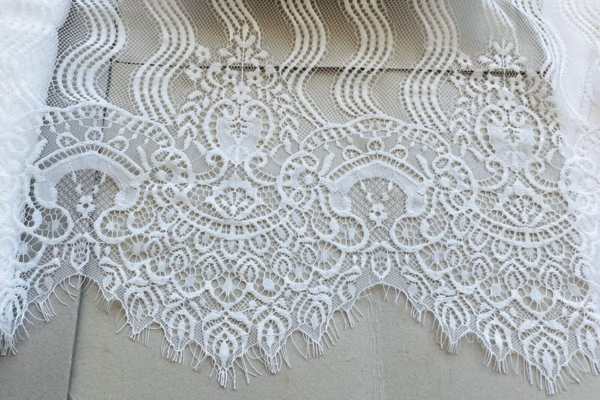
Polyester Lace Laser Cutter
Polyester lace laser cutter machines process polyester lace fabrics commonly used in fashion garments and decorative lace trims. Laser cutting melts polyester fibers slightly to form sealed cutting edges.
- Laser type: CO₂ laser
- Power range: 80W–130W
- Typical users: lace fabric manufacturers
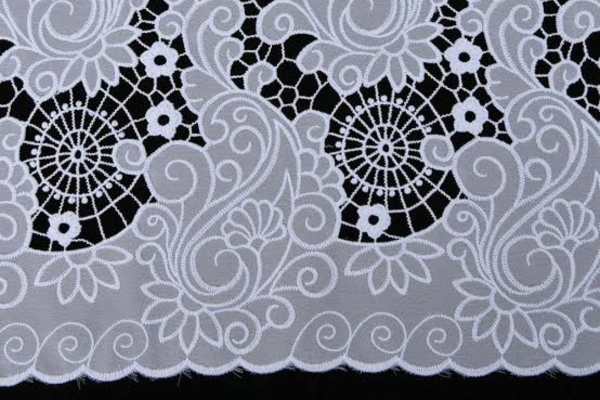
Nylon Lace Laser Cutter
Nylon lace laser cutter machines cut nylon lace fabrics used in lingerie and stretch lace materials. Nylon fibers respond well to laser cutting, producing smooth sealed edges and maintaining lace pattern accuracy.
- Laser type: CO₂ laser
- Power range: 80W–120W
- Typical users: lingerie lace factories
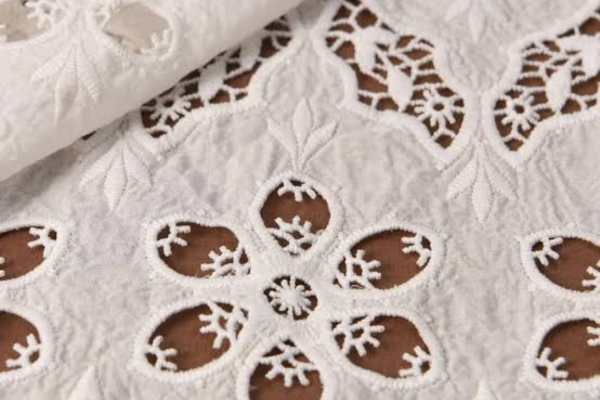
Cotton Lace Laser Cutter
Cotton lace laser cutter machines process natural fiber lace fabrics used in decorative garments and textile accessories. Laser cutting parameters are adjusted to minimize carbonization and maintain lace pattern clarity.
- Laser type: CO₂ lase
- Air assist: required
- Typical users: garment textile manufacturers
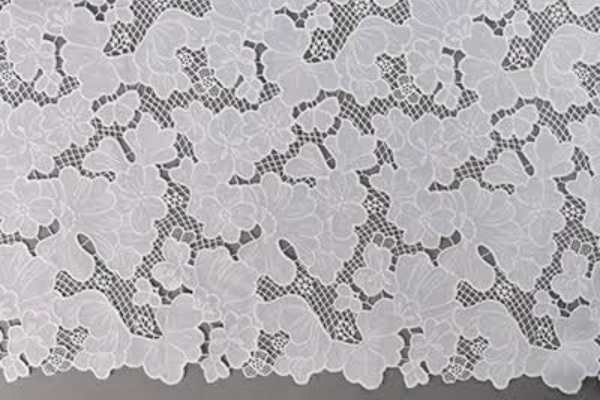
Elastic Lace Laser Cutter
Elastic lace laser cutter machines cut stretch lace fabrics used in underwear, sports garments, and decorative lace trims. Laser cutting avoids mechanical deformation during the cutting process.
- Laser type: CO₂ laser
- Power range: 80W–100W
- Typical users: elastic lace suppliers
Lace Laser Cutter Feeding Workflows Compared
Fabric feeding systems determine production continuity and material handling efficiency in lace laser cutter operations. Textile factories processing lace rolls or embroidered lace sheets require different feeding structures to maintain alignment and stable cutting accuracy.
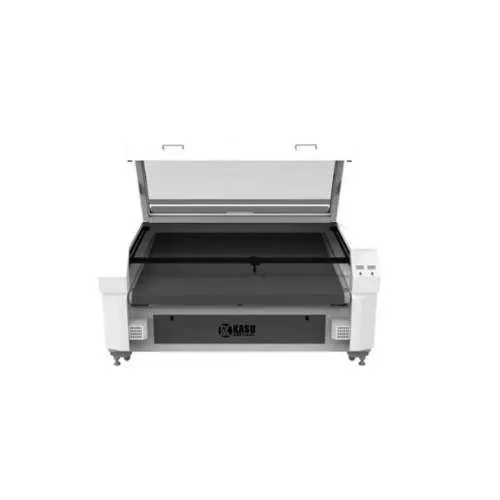
Roll To Roll Lace Laser Cutter
Roll to roll lace laser cutter machines process lace fabrics directly from textile rolls and support continuous production workflows. This configuration is used in lace manufacturing lines and large garment factories where lace trimming and pattern cutting require stable feeding tension and automated material transport.
- Laser type: CO₂ laser
- Power range: 80W–150W
- Typical users: textile lace manufacturers
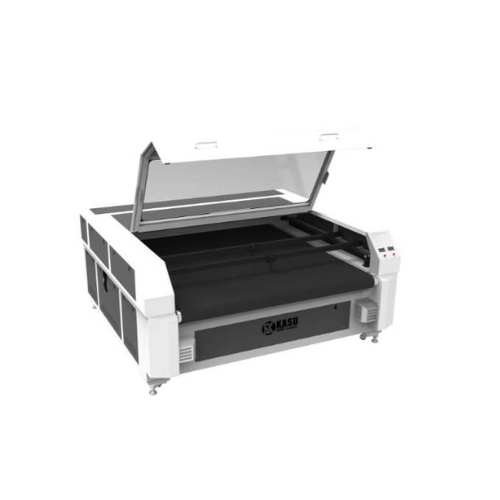
Conveyor Lace Laser Cutter
Conveyor-lace laser cutter systems use a belt-driven working table that transports lace fabrics through the cutting area. This configuration is suitable for embroidered lace panels and multi-layer lace sheets that require stable positioning and continuous processing.
- Laser type: CO₂ laser
- Working structure: conveyor belt table
- Typical users: garment OEM factories
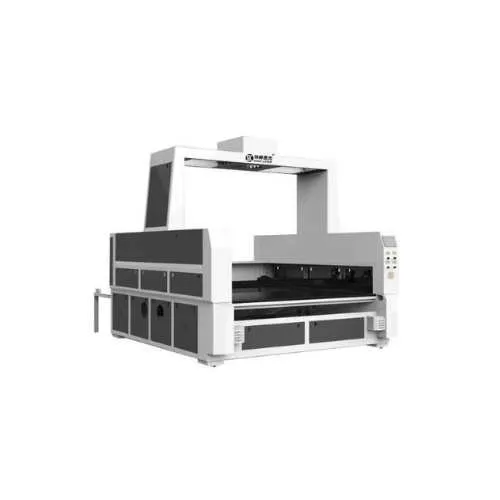
Auto Feeding Lace Laser Cutter
Auto feeding lace laser cutter machines integrate automatic fabric feeding units to align lace rolls before cutting. This configuration improves production efficiency for factories processing large lace volumes and ensures stable material tension during long cutting cycles.
- Laser type: CO₂ laser
- Feeding system: automatic roll feeder
- Typical users: textile automation production lines
Why Our Lace Laser Cutter Stands Apart
Lace laser cutter systems from KASU are configured for textile factories processing embroidered lace, bridal lace, and lingerie lace fabrics. The product range includes flatbed lace laser cutter machines, conveyor lace laser cutter systems, and roll-to-roll lace laser cutter configurations. These solutions support continuous lace fabric processing with stable contour accuracy and automated material feeding. KASU lace laser cutter machines are designed for distributors, OEM textile equipment suppliers, and garment manufacturing integrators seeking scalable lace cutting solutions.
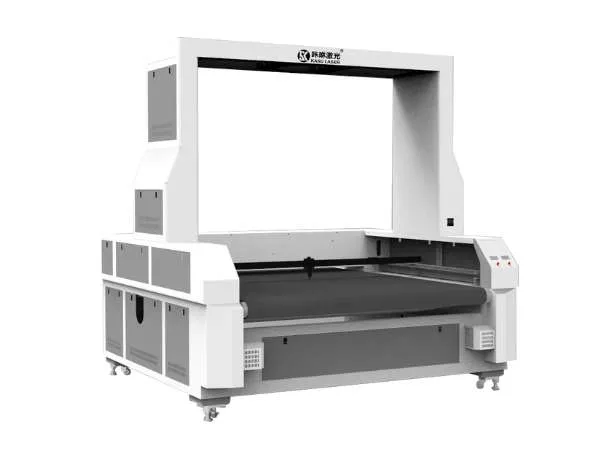
KD1814-S1 Single Head Vision Laser Cutting Machine
- Working area: 1800 × 1400 mm
- Laser type: Glass CO₂ laser tube
- Laser power: 80/100/130/150W (optional)
- Laser head: Single head
- Speed: <1000 mm/s
- Positioning accuracy: ±0.1 mm
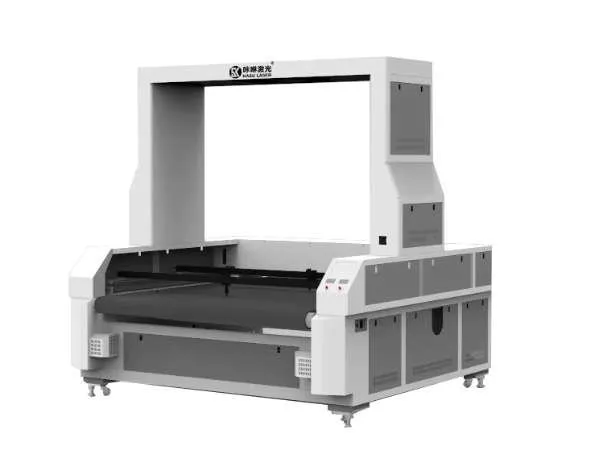
KD1816-SY Large Flatbed Top-Vision Laser Cutter
- Working area: 1800 × 1600 mm
- Vision system: Top camera
- Laser type: CO₂ laser
- Accuracy: ±0.1 mm
- Applications: large textile panels, banners, graphics
Our Full-Lifecycle Service Around Lace Laser Cutter
Lace laser cutter projects in textile production require stable processing of embroidered lace, bridal lace, and elastic lace fabrics. KASU supports lace laser cutter integration with textile production workflows through manufacturing capacity, configurable machine structures, and delivery reliability. These capabilities reduce integration risks for distributors, OEM equipment partners, and textile automation system integrators working with lace laser cutter solutions.

Manufacturing And Configuration Capability
KASU manufactures lace laser cutter machines with configurable working widths, laser power ranges, and feeding structures to match lace fabric processing requirements. The manufacturing process includes frame assembly, motion system calibration, and laser path alignment to ensure consistent cutting performance for lace laser cutter equipment used in textile production lines.

Risk Reduction And Delivery Reliability
Lace laser cutter production and testing follow structured assembly and inspection procedures. Machine frames, laser modules, and motion components are verified before shipment to ensure stable lace cutting performance. Controlled production scheduling and export packaging help distributors and OEM partners manage lace laser cutter delivery timelines and equipment installation planning.
Cooperation Models And Partner Support
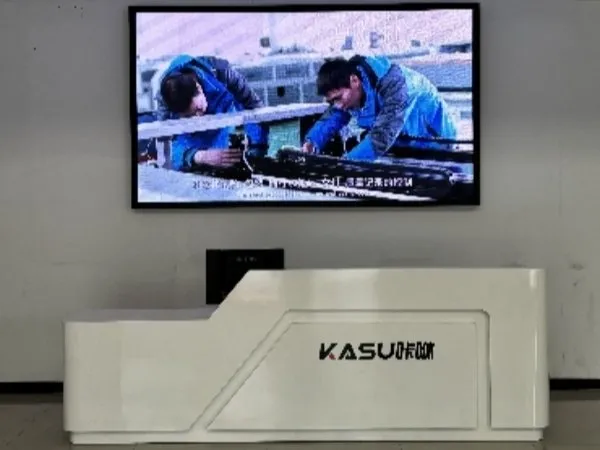
KASU works with lace laser cutter distributors, textile machinery OEM brands, and production system integrators. Cooperation models include machine customization, branding configuration, and project-based equipment supply for textile factories adopting lace laser cutter solutions within automated fabric processing systems.
Real Lace Laser Cutter Customers, Real Production Footage
Textile manufacturers and garment OEM factories use KASU lace laser cutter machines to process embroidered lace, bridal lace, and lingerie lace fabrics. Clients include lace fabric producers, apparel brands, and textile automation integrators who require stable contour cutting accuracy and consistent production performance for lace materials.
Pre-Purchase Questions Lace Laser Cutter Buyers Ask Us
What Materials Can A Lace Laser Cutter Process?
A lace laser cutter processes textile lace fabrics including polyester lace, nylon lace, cotton lace, and elastic lace. These materials respond differently to laser energy, so manufacturers configure power levels, cutting speed, and air assist parameters to maintain stable lace pattern edges.
What Laser Power Is Suitable For A Lace Laser Cutter?
Most lace laser cutter machines use CO₂ laser power between 80W and 150W. Thin lingerie lace fabrics require lower power levels, while dense embroidered lace or multi-layer lace materials require higher power configurations to maintain consistent cutting speed.
When Should A Lace Laser Cutter Use A CCD Camera System?
A lace laser cutter with a CCD camera system is used when cutting printed lace fabrics or embroidered lace patterns that require contour recognition. The vision system detects pattern outlines before cutting to maintain alignment between the lace design and the cutting path.
How Does A Lace Laser Cutter Prevent Lace Fabric Fraying?
A lace laser cutter uses thermal cutting from a CO₂ laser beam. The laser melts or vaporizes textile fibers during cutting, creating sealed fabric edges that prevent fraying. This process is suitable for polyester lace, nylon lace, and elastic lace materials.
What Feeding Systems Are Used In Lace Laser Cutter Machines?
Lace laser cutter machines use roll-to-roll feeding systems, conveyor belt structures, or automatic fabric feeders depending on textile production workflow. These feeding systems maintain stable lace fabric tension and support continuous cutting operations.
How Do Distributors Select A Lace Laser Cutter Configuration?
Distributors select lace laser cutter configurations based on lace material type, production scale, and automation requirements. Key parameters include working area, laser power, feeding structure, and optional vision positioning systems used for lace contour cutting.
Adjacent Machines for Lace Laser Cutter Buyers
If your production involves lace laser cutter processing for embroidered lace, lingerie lace, or bridal lace fabrics, you may also require laser cutting systems designed for textile contour cutting and roll fabric processing. Explore related laser cutter solutions for garment textiles, embroidered patches, and decorative fabric trimming to match your production workflow. Contact KASU to discuss compatible lace laser cutter configurations.
-
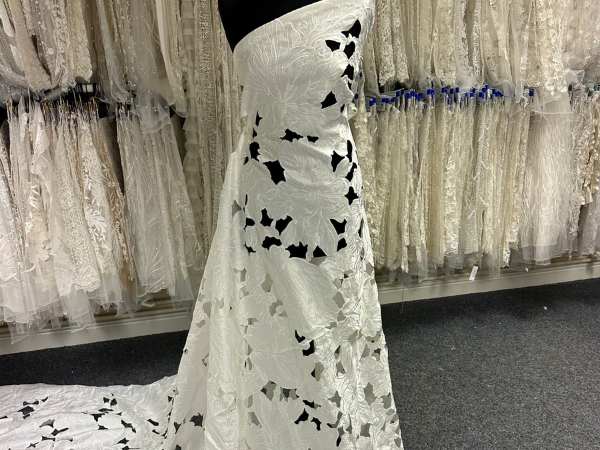
Bridal Lace Laser Cutting Machine
Explore Bridal Lace Laser Cutting Machine for textile cutting, sealed edges and repeatable pattern production, giving buyers a relevant complementary option when comparing solutions for Lace Laser Cutter. -
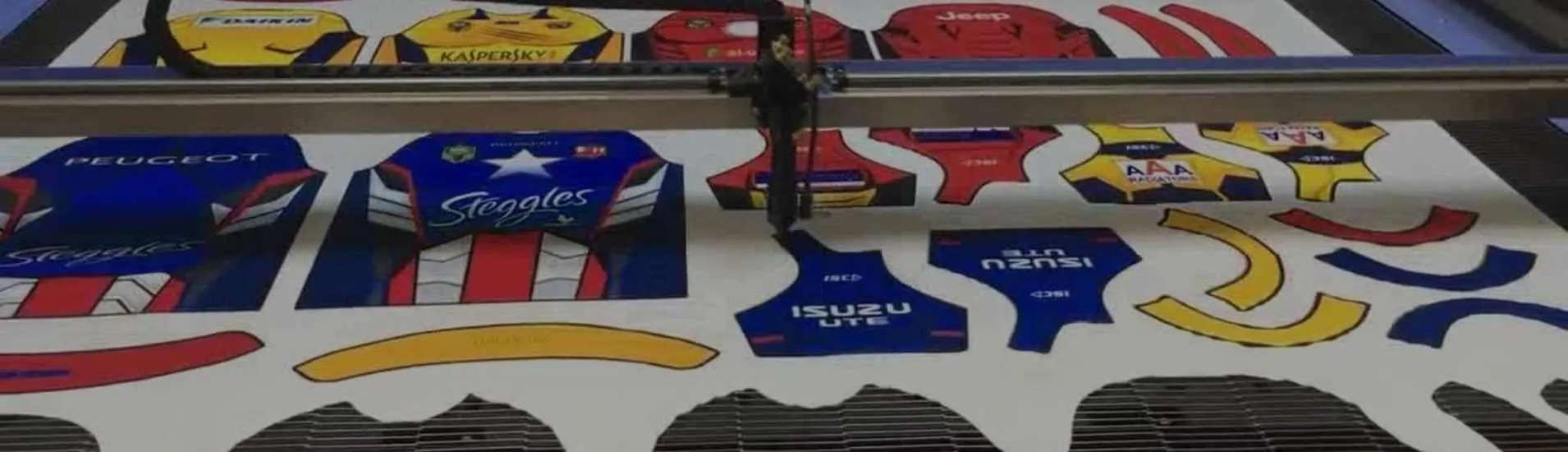
Clothing Laser Cutting Machine
Explore Clothing Laser Cutting Machine for textile cutting, sealed edges and repeatable pattern production, giving buyers a relevant complementary option when comparing solutions for Lace Laser Cutter. -
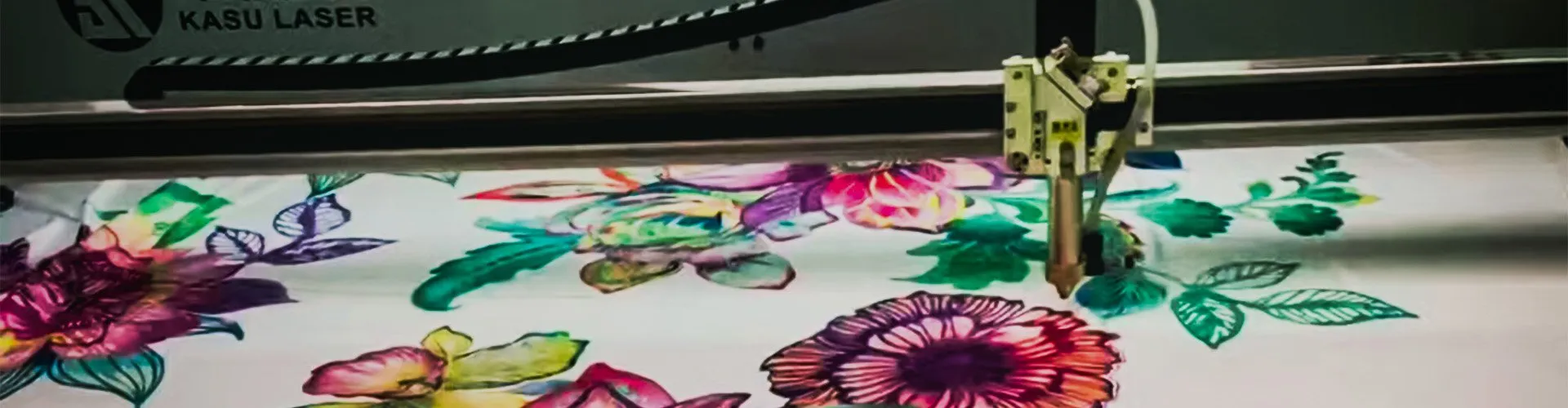
Laser Cut Fashion Machine
Explore Laser Cut Fashion Machine for industrial laser processing and configurable production workflows, giving buyers a relevant complementary option when comparing solutions for Lace Laser Cutter.
Technical Support for Lace Laser Cutter
Lace laser cutter performance depends on correct laser power settings, cutting speed, and airflow configuration for different lace fabrics. Technical guides explain how to optimize lace laser cutter parameters for polyester lace, nylon lace, and embroidered lace materials. Visit our technical blog to learn lace laser cutting methods and request support for lace laser cutter configuration.

Contact Us
Contact KASU to discuss lace laser cutter specifications, sample cutting tests, and production configuration for textile factories, distributors, and OEM equipment partners.
Address: No. 105, Nanzhangjing Road, Taicang, Suzhou, Jiangsu, China
Email: [email protected]
WhatsApp: +86-18601718317