

Label Laser Cutter: What It Is And How It Works
A label laser cutter cuts finished printed or woven labels to shape without a physical die. Camera-guided versions locate the artwork or border before following the contour. Face material, ink, adhesive and liner all affect safety, registration and whether the job needs a full cut or a kiss cut.
1. Identify the complete stock: face material, print or coating, adhesive and release liner. Do not laser cut PVC or unknown chlorinated layers. A paper or textile face does not make its adhesive construction automatically laser safe.
2. Decide how parts arrive: printed sheets suit a flatbed with CCD registration; textile labels laid out across a wider bed may suit a dual-head CCD machine. A narrow continuous roll requires separate feed, tension and registration review; these two flatbed PDPs do not establish an inline roll-to-roll finishing line.
3. Confirm the cut: send the label drawing, print marks, stock data and a sample. Check edge color, adhesive behavior and alignment on the actual construction. For garment woven labels, see woven label cutting; for transfer labels, see heat transfer label cutting.
Three Label Jobs To Check Before Choosing A Machine
Start with the finished label and its full material construction, then compare the machine layout.

Printed Paper Label Sheets
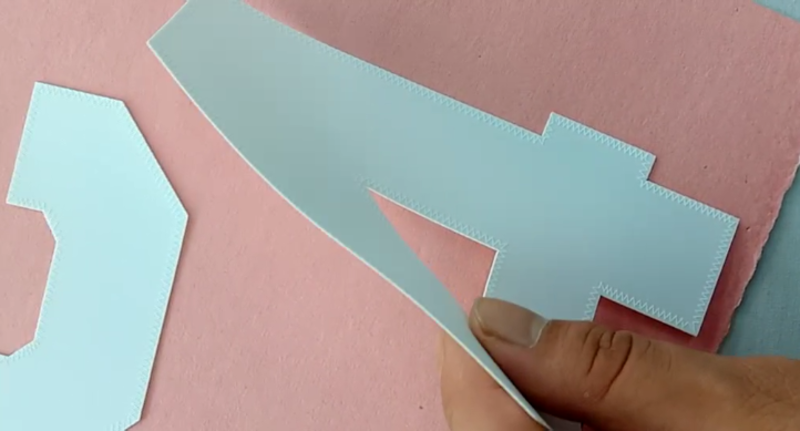
Printed sheets need camera registration and a flat, repeatable layout. Confirm the coating, adhesive and liner before a sample cut; check browning and kiss-cut requirements.
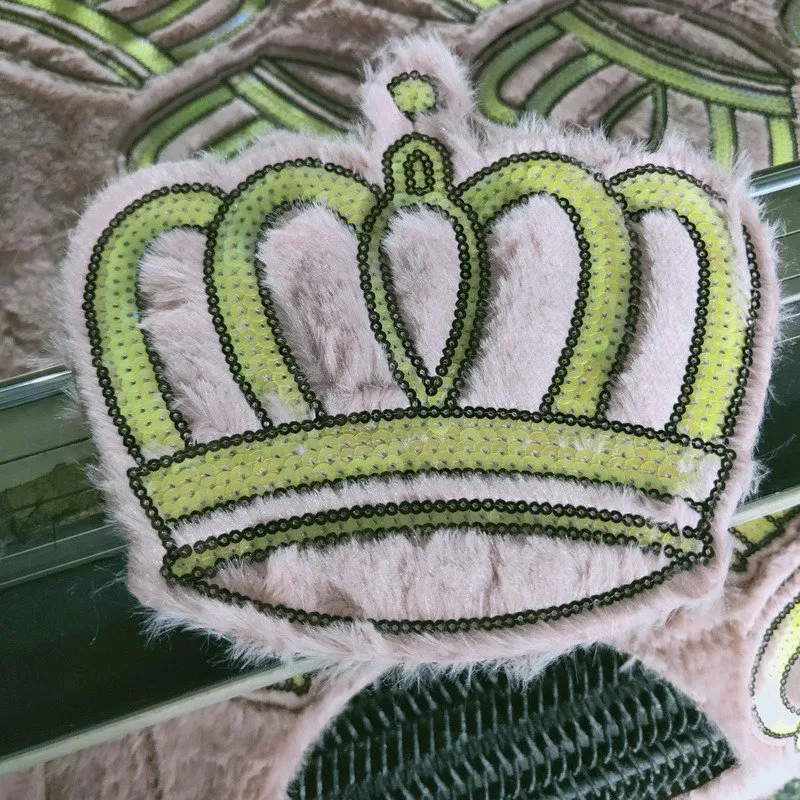
Woven And Embroidered Labels
Check print or embroidery position, edge feel and fraying on the actual textile. For narrow continuous woven-label rolls, compare the dedicated woven-label workflow.

Printed Fabric Label Layouts
CCD registration may help with repeated printed shapes on a sheet or wider fabric layout. Confirm fabric composition, ink and backing, then test color, edge and part alignment.
Compare Two CCD Layouts For Verified Label Stock
Both are camera-guided CO₂ flatbed machines, not proof that a particular adhesive label or narrow roll is laser compatible. Select by usable layout and a sample cut.
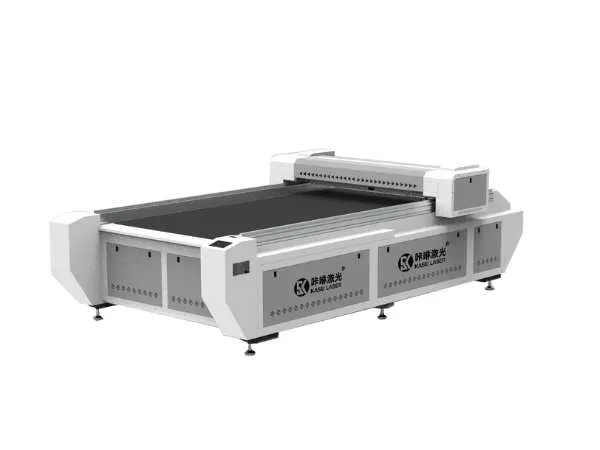
KX1325-F1 Flatbed CCD Laser Cutter
1300 × 2500 mm fixed table with a single CO₂ head and CCD positioning. Compare it for printed paper or fabric label sheets after material review. View KX1325-F1 details.
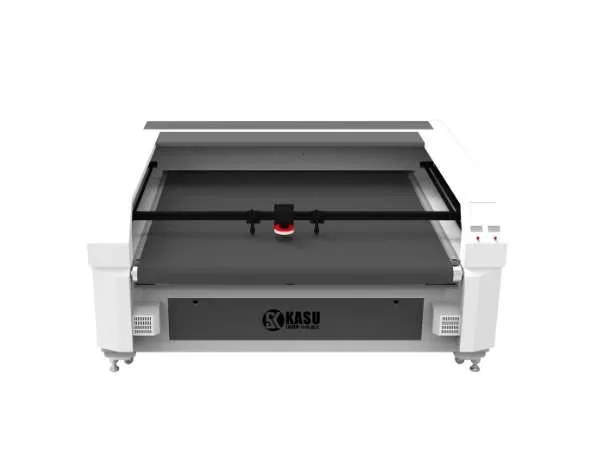
KX1814-S2 Double Head CCD Laser Cutter
1800 × 1400 mm bed with two CO₂ heads and CCD positioning. Compare it for wider textile label layouts after checking stock and edge quality. Its published specification does not promise inline roll finishing. View KX1814-S2 details.
Why Work With KASU On Labels?
Our team checks the actual job, then records what we can supply and support.
KASU Checks The Label You Actually Sell
- We inspect the complete label stack, then trial printed alignment and the finished edge, giving your team a cut sample to judge against the approved label. See KASU support.
- Our factory can specify the camera, bed and partner branding scope in the quote after the material passes screening. See our manufacturing scope.
- Founded in 2009, KASU operates an 8,000+ sqm Suzhou factory with a published assembly and QC process. Inspect our factory.
Label Laser Cutting FAQs
Can A Laser Cut Every Paper Or Sticker Label?
No. The face, coating, adhesive and liner all matter. Identify every layer first; test approved stock for browning, residue, liner damage and cut quality.
Can This Machine Cut PVC Or Vinyl Labels?
Do not laser cut PVC or chlorinated vinyl. They can release corrosive and hazardous fumes. Check the safety data sheet; if the composition is unknown or unsuitable, ask about a non-laser cutting process.
Which Machine Suits Printed Label Sheets?
Compare the KX1325-F1 flatbed for printed sheets that fit its 1300 × 2500 mm working area. CCD registration still requires suitable marks and a sample check; material approval comes first.
Is The KX1814-S2 An Inline Roll-to-roll Label Finisher?
Its published specification describes a dual-head 1800 × 1400 mm CCD bed, not an inline narrow-roll finishing line. Share roll width, feed format and print marks so KASU can assess a suitable workflow.
What Affects A Label Cutting Machine Quote?
Stock construction, label and sheet size, registration method, bed or feed format, required output and extraction needs affect configuration and price. Send those details for a machine-specific quotation.
What Should I Send For A Cutting Review?
Send the material data sheet for every layer, a representative sample, finished label dimensions, artwork with print marks, sheet or roll width, edge and liner requirements and target output.
Choose The More Specific Label Workflow
Use these application pages when the label construction or delivery format is already known.
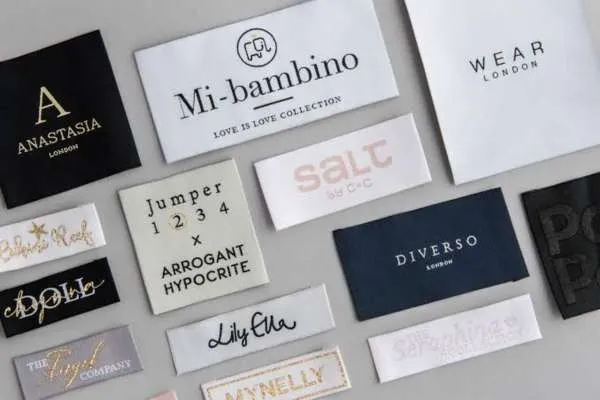

Material Checks Before Label Cutting
Check material safety and paper cutting behavior before sending label stock for a trial.

Send Your Label Stock For A Machine Recommendation
Share the material data sheet for face, adhesive and liner; a representative sample; label size and artwork; print marks; sheet or roll width; edge and liner requirements; and target output. KASU can then review material suitability and compare machine layouts.
Address: No. 105, Nanzhangjing Road, Taicang, Suzhou, Jiangsu, China
Email: [email protected]
WhatsApp: +86-18601718317