
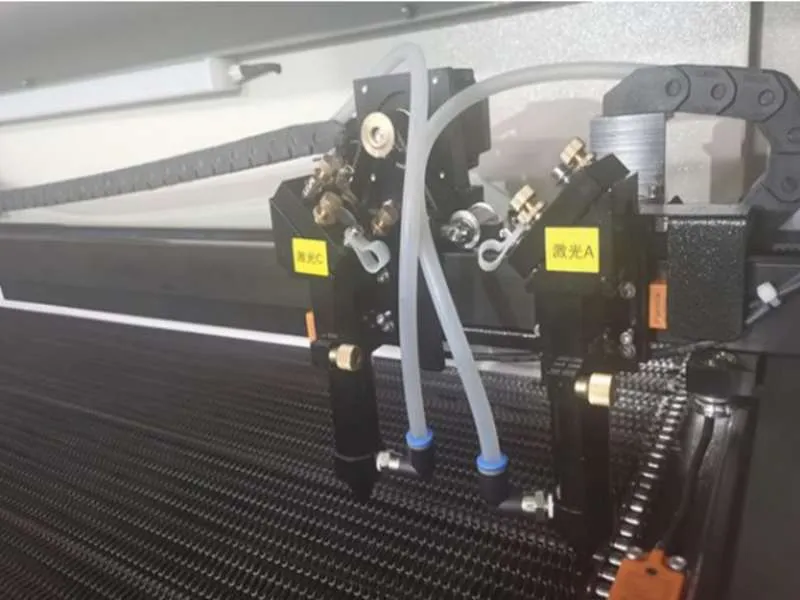
Laser Sign Cutter: What It Is And How It Works
A laser sign cutter cuts flat components such as acrylic letters, display panels and approved wood or board graphics from digital artwork. A CO₂ machine can make detailed shapes, and camera guidance may help with printed contours. The sign material and finished construction determine whether laser processing is suitable.
Use this page for flat sign components such as acrylic letters, face panels, wood or MDF logos, and approved printed boards. It is not a promise that every finished LED, channel-letter or architectural sign can be made on one CO₂ machine. Identify the sheet, any coating, adhesive or backing, thickness, finished size and edge requirement before selecting a table.
PVC/vinyl and unknown plastic or foam formulations must not enter a laser trial. Route PVC jobs to non-thermal cutting. For approved acrylic and wood/MDF, compare sample edges and extraction needs; for printed stock, test camera recognition on the real print. The acrylic page and MDF page cover those materials in depth; this page focuses on choosing a sign-production layout.
Four Sign Jobs To Check
Material chemistry, sheet size and print registration decide the route; generic wattage tiers do not.
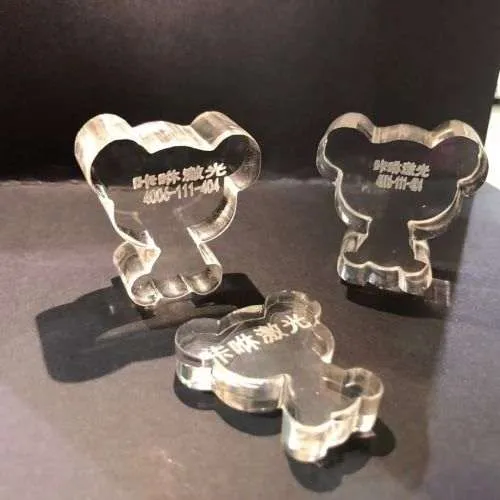
Plain Acrylic Letters And Panels
Compare cast or extruded acrylic on the actual thickness. Check edge finish, small letter details, protective film and sheet fit before choosing the table.
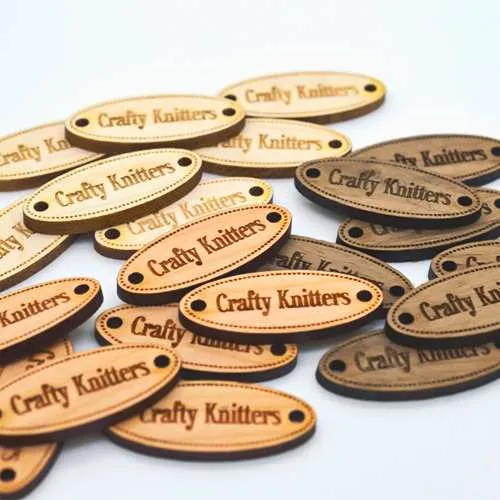
Wood And MDF Sign Panels
Test the real board and glue system for char, smoke and edge cleanup. Thick structural panels may need a different process after sample review.

Printed Sign Contours
If the cut must follow printed artwork, test CCD recognition with real marks, print contrast and sheet distortion. A camera is not needed for every plain sign.
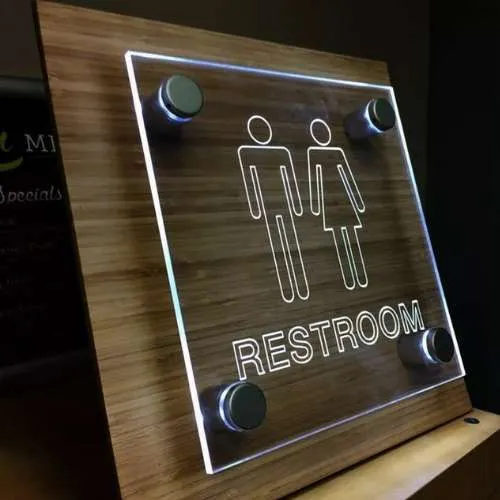
PVC Or Unknown Sign Board
Do not laser test PVC/vinyl or unidentified plastic and foam boards. Confirm every layer and use a non-thermal cutting route for PVC.
Compare Published Sign-Cutting Layouts
Select the table by approved material, usable sheet area and whether print registration is required. Confirm edge quality and output with a sample.

K1390-F1 | Plain Signs Up To 1300 × 900 Mm
Published 1300 × 900 mm honeycomb table and single CO₂ head. Compare for approved, unprinted acrylic or wood/MDF sign parts that fit the usable area. Test the actual material and finished edge. View K1390-F1 details.

K1325-F1 | Larger Plain Sign Sheets
Published 1300 × 2500 mm CO₂ flatbed. Compare for larger unprinted acrylic or MDF sheet layouts after checking board chemistry, handling and edge results. View K1325-F1 details.
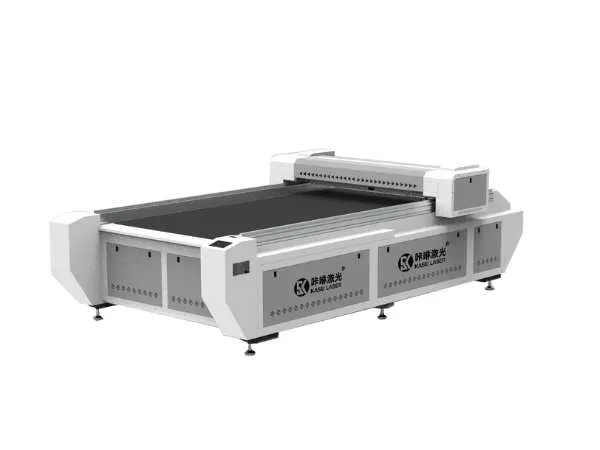
KX1325-F1 | Printed Sign Contours
Published 1300 × 2500 mm CCD flatbed for printed non-metal sheets. Compare only after confirming the board is laser-suitable and its artwork can be registered; check cut-to-print result on the real sheet. View KX1325-F1 details.
Why Work With KASU On Sign Parts?
Our team checks the actual job, then records what we can supply and support.
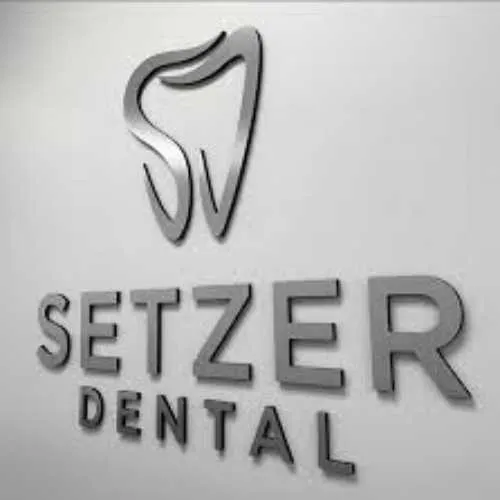
KASU Tests The Sign Edge Before The Bed Size
- We trial the real sign material and check edge, part size and printed alignment, giving your team a finished part to approve. See KASU support.
- Our factory can specify the table and camera option in a written machine configuration for that approved board. See our manufacturing scope.
- Founded in 2009, KASU operates an 8,000+ sqm Suzhou factory with a published assembly and QC process. Inspect our factory.
Sign-Cutting Machine FAQ
Which Sign Materials Can A CO₂ Laser Be Tested On?
Start with identified acrylic or approved wood/MDF stock. Verify coating, film, glue and backing before a sample test. Do not laser cut PVC/vinyl or an unknown plastic or foam board.
Can A Laser Cut Every Acrylic Sign Thickness?
No thickness is guaranteed by a material name or wattage alone. Send the actual acrylic type, thickness and edge standard; compare the sample result and cycle time before selecting a power option.
When Is A CCD Camera Useful For Signs?
Use it when a cut must follow a printed contour and the artwork provides marks or contrast the camera can recognize. Plain CAD-cut acrylic or MDF parts usually do not need printed registration.
Which KASU Table Should I Compare?
For smaller unprinted parts, compare the 1300 × 900 mm K1390-F1; for larger plain sheets, the 1300 × 2500 mm K1325-F1; for approved printed sheets, the 1300 × 2500 mm CCD KX1325-F1. Confirm usable area and sample quality.
Can One Machine Make A Complete LED Or Channel-letter Sign?
These CO₂ layouts cut or engrave suitable flat parts such as acrylic faces and letters. Lighting, metal returns, wiring, mounting and assembly are separate operations; define the finished sign before choosing equipment.
What Determines The Sign-cutter Quotation?
Material and thickness, finished part size, working area, camera need, exhaust, cooling, electrical requirements and target output set the configuration. Send a drawing and material sample for a relevant quote.
What Should I Send For A Cutting Test?
Send the full material datasheet, physical sheet, protective film and adhesive details, DXF/AI drawing, printed artwork if any, largest part and sheet dimensions, edge standard and target daily output.
Related Sign Material Routes
Use a dedicated material guide or a non-thermal alternative when the board calls for it.
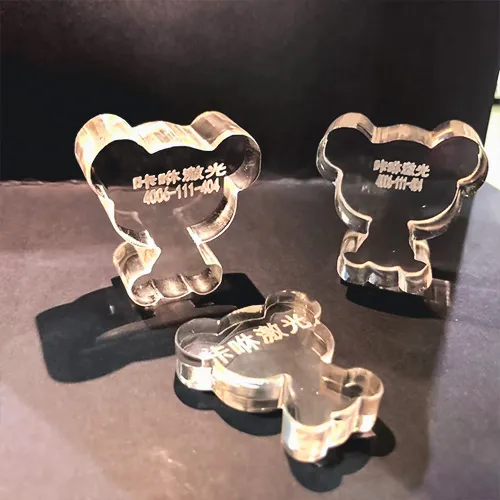

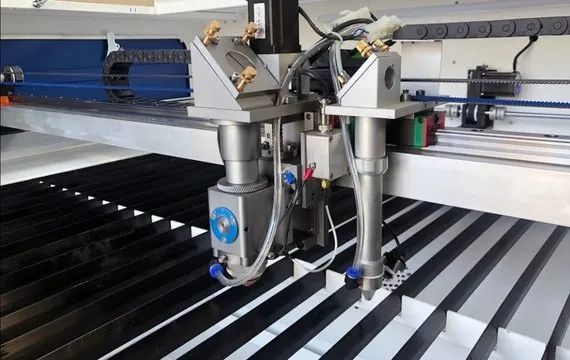
Sign Material and Machine Guides
Check the board formulation and machine layout before requesting a sign sample.


Send Your Sign Material And Drawing
Share the board formulation and SDS/TDS, thickness, sheet and finished-part sizes, DXF/AI file, printed artwork if any, edge standard, target output and destination electrical requirements. KASU can review material fit and a sample before recommending a table and quote.
Address: No. 105, Nanzhangjing Road, Taicang, Suzhou, Jiangsu, China