

Fashion Laser Cutting Machine: What It Is And How It Works
A fashion laser cutting machine uses a CO₂ beam to make pattern pieces, perforations or decorative details in suitable apparel fabrics. It follows digital artwork without blade contact and may use a camera for printed material. Fibre composition, coating, edge finish and part format determine whether the process fits production.
Unprinted single-ply sheets: a CO₂ flatbed can be tested for garment samples, decorative cutouts and small fashion parts. Compare the edge, dimensions, smoke and required finish on your actual fabric before choosing a table size.
Printed or continuous fabric: the two flatbeds below have no camera or conveyor. For print-to-cut alignment, compare the vision cutting route; for roll production, compare the fabric cutting route.
Check the complete material stack: fiber, coating, adhesive and release layer determine whether laser cutting is suitable. Cotton-rich fabrics may discolor rather than fuse; do not laser cut PVC-containing material. See the material screening guide.
Three Fashion Cutting Jobs To Compare
Start with a representative sheet and the finished edge you need.

Unprinted Garment Samples
Cut one fabric layer from a CAD pattern for sample panels or small batches. Send the usable sheet size, part dimensions, fiber blend and backing; check edge color and fit before selecting a flatbed.

Decorative Cutouts And Lace
Openwork, lace and small decorative details need an edge and scorch test on the real stock. Stabilizing film, coatings and dense stitching can change the result; compare the lace cutting page for that specialist workflow.

Printed Fabric Or Roll Production
Printed outlines need registration, while long rolls need feeding. Neither feature is documented for the two flatbeds below. Share print contrast, roll width and output target for a separate vision or conveyor review.
CO₂ Flatbeds For Fashion Fabric Samples
These published single-head models are layout options for unprinted flat sheets after a sample test. Their PDPs do not document camera registration or continuous roll feeding.

K1080-F1 Compact Honeycomb Flatbed
1000 × 800 mm working area, one CO₂ head. Compare for smaller unprinted fabric samples and decorative parts after checking the material stack and finished edge. View K1080-F1 details.
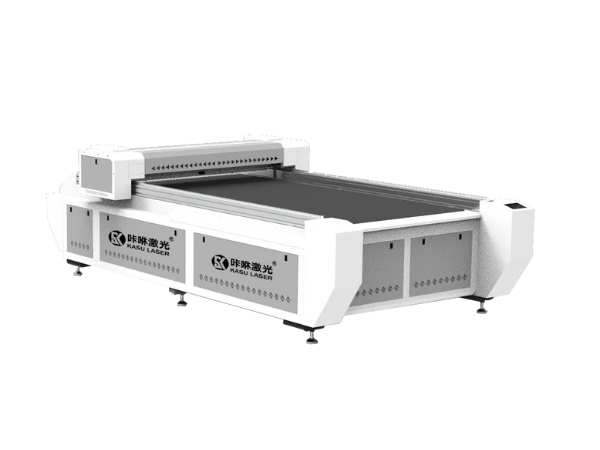
K1325-F1 Large Flatbed
1300 × 2500 mm working area, one CO₂ head. Compare for larger unprinted single-ply layouts after testing edge quality, extraction and usable nesting. View K1325-F1 details.
Why Work With KASU On Fashion Fabric?
Our team checks the actual job, then records what we can supply and support.

KASU Tests The Fabric Detail You Want To Sell
- We cut your actual sample and inspect edge and small-feature finish, so the quoted bed supports the decorative part rather than a generic garment claim. See KASU support.
- Our factory can document the approved flatbed configuration and partner branding or label needs. See our manufacturing scope.
- Founded in 2009, KASU operates an 8,000+ sqm Suzhou factory with a published assembly and QC process. Inspect our factory.
Fashion Fabric Laser Cutting FAQs
What Fashion Jobs Suit The Two Flatbeds On This Page?
They are candidates for unprinted, single-ply fabric sheets cut from digital files. Garment samples, decorative cutouts and small fashion parts still need a representative material and edge test before machine selection.
Can These Flatbeds Follow Printed Garment Graphics?
No camera registration is documented for K1080-F1 or K1325-F1. If the cut must follow a print that can shift, review a vision machine with the actual printed sheet and registration tolerance.
Can Either Model Feed A Continuous Fabric Roll?
These published configurations are fixed flatbeds, not roll-feed lines. Send the roll width, feed direction, layout and daily output for a separate conveyor or auto-feed review.
Will Laser Cutting Seal Every Fashion Fabric Edge?
No. Some compatible synthetics can fuse, while cotton-rich or coated fabrics may discolor, char or fray. Test the complete fabric stack, including backing and adhesive, against the finish you require.
What Affects A Fashion Fabric Cutting Quotation?
Material construction, sheet or roll format, usable area, camera or feeding requirement, extraction, target output and sample result determine the configuration. A fixed price cannot be inferred from ‘fashion fabric’ alone.
What Should I Send For A Sample Review?
Send a representative fabric with fiber and coating details, any backing or adhesive, CAD cut file, largest part and sheet size, required edge finish, target quantity and current cutting method.
Other Fashion Fabric Production Routes
Use a dedicated page when the job depends on print alignment or a fabric roll.


Fabric Cutting Process Guides
Check material safety and edge behavior before approving a sample cut.


Send Your Fashion Fabric For Review
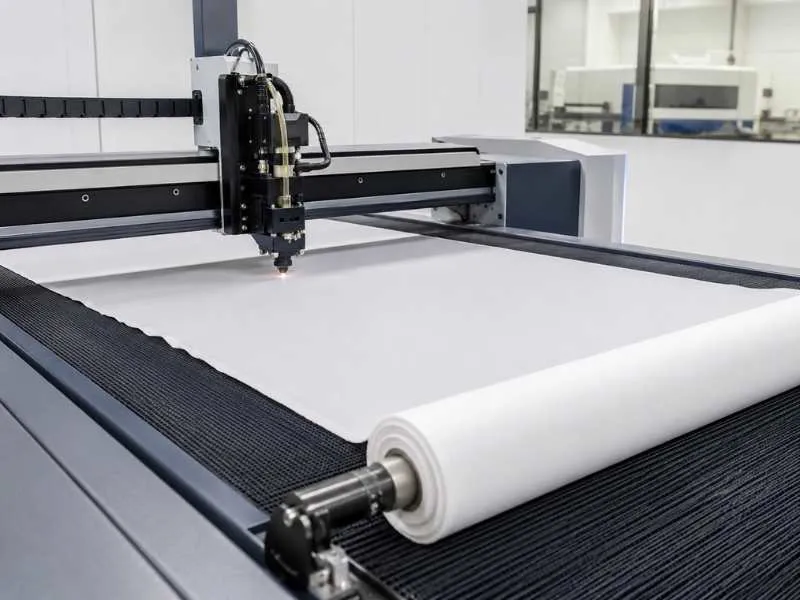
Share your fabric and full backing stack, representative sample, CAD file, largest part and sheet size, edge finish, and target quantity. KASU can compare a small or large flatbed after a sample test, or direct printed and roll jobs to a suitable process review.
Address: No. 105, Nanzhangjing Road, Taicang, Suzhou, Jiangsu, China