
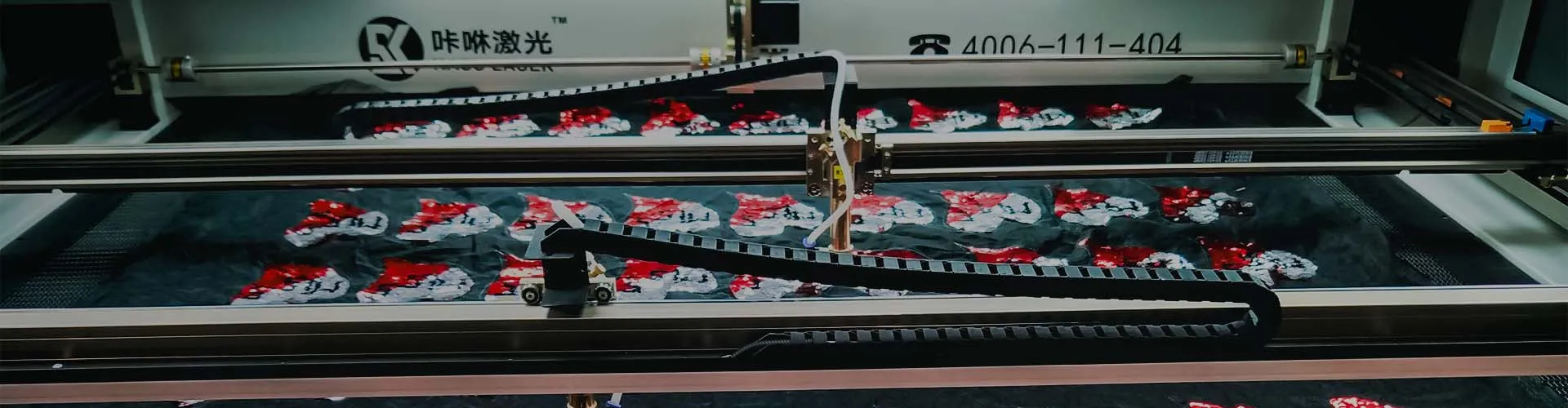
Embroidery Laser Cutter: What It Is And How It Works
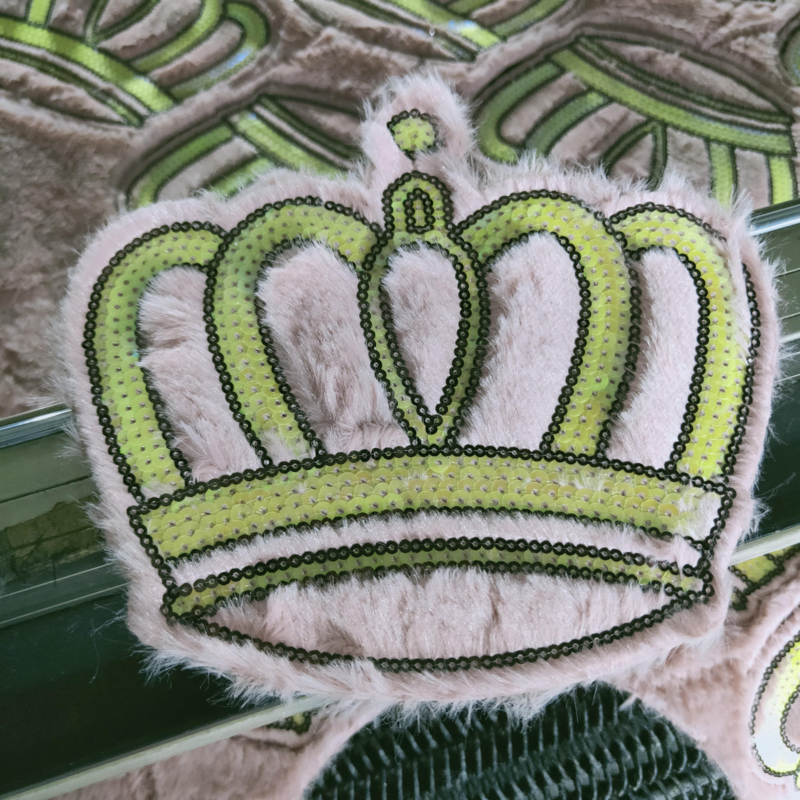
An embroidery laser cutter trims stitched motifs, patches or appliqué from textile material using a digital cut path. Camera recognition can locate an embroidered border before cutting, reducing dependence on fixed placement. Thread, backing, adhesive and finished-edge quality must be tested on a real stitched sample.
Repeated small patches: compare the KX1390-F1 CCD cutter with a 1300 × 900 mm honeycomb table. Variable positions across one sheet: compare the KD1080-F1 top-camera cutter with a 1000 × 800 mm working area. Both are separate cutting machines used after embroidery; neither is presented here as a laser bridge mounted on an embroidery machine. Camera recognition and edge quality must be checked on your actual thread, backing and adhesive. For a broader patch workflow, see the patch cutting guide.
Embroidery Sheets To Test
Send a normal production sheet, including shifted or imperfect motifs. The sample test should verify recognition, edge finish and finished patch size.

Repeated Embroidered Patches
Clear outlines on a flat sheet are the starting point for CCD cutting. Check patch size, spacing, backing and edge finish on a full production sheet.

Low-Contrast Whitework
White thread on a light backing may be hard for a camera to separate. Test actual lighting and recognition before promising contour cutting.

Raised Or Distorted Embroidery
Towel or thick stitched areas can change apparent outlines and cut clearance. Send the finished sheet to test image matching, edges and cut position.
Compare Two Flatbed Camera Cutters
Use the KX1390-F1 for repeated small motifs needing CCD registration. Use the KD1080-F1 when a top camera needs to view the whole small sheet. Neither model card establishes an automatic feeding or roll-to-roll configuration.
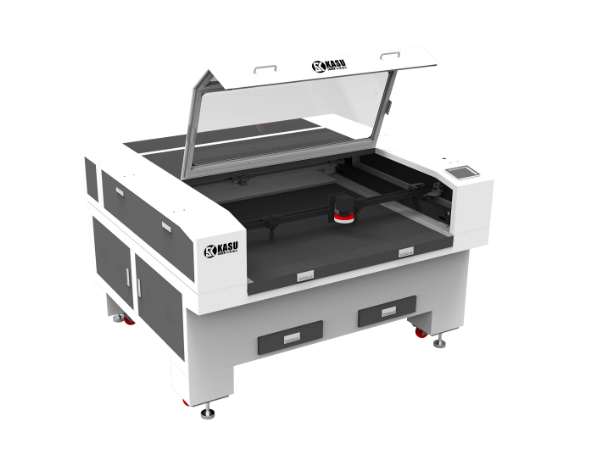
KX1390-F1 CCD Laser Cutter (Honeycomb Table)
The KX1390-F1 has a 1300 × 900 mm honeycomb table and CCD vision for locating small printed or embroidered motifs. Compare it for repeated patches on flat sheets; verify recognition and edge finish on the real material. View KX1390-F1 details.
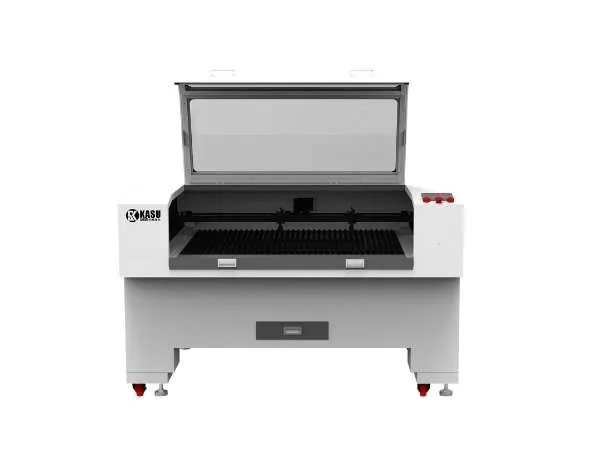
KD1080-F1 High Precision Camera Laser Cutter
The KD1080-F1 uses a top camera over a 1000 × 800 mm honeycomb work area. Compare it for embroidered motifs at varied positions within a small sheet. Check thread contrast and actual cut path on a production sample. View KD1080-F1 details.
Why Work With KASU On Embroidered Patches?
Our team checks the actual job, then records what we can supply and support.
KASU Tests Your Embroidered Sheet On The Camera Route
- We trial the actual stitch outline, sheet layout and edge so your patch workflow determines camera choice and table size. See KASU support.
- Our factory can quote the selected camera and bed configuration, with OEM/ODM details documented for distributors. See our manufacturing scope.
- Founded in 2009, KASU operates an 8,000+ sqm Suzhou factory with a published assembly and QC process. Inspect our factory.
Embroidery Cutting FAQs
Which Camera Cutter Should I Compare For Embroidered Patches?
For repeated small motifs on a flat sheet, start with the KX1390-F1 CCD model. For varied positions within a 1000 × 800 mm sheet, compare the KD1080-F1 top-camera model. Test the actual sheet before choosing.
Will The Camera Find Whitework Or Dark-on-dark Embroidery?
Low contrast can make contour recognition unreliable. Send a normal production sheet with the actual thread, backing and lighting conditions so KASU can check the recognition method and cut result.
Can These Cutters Feed Embroidered Rolls Automatically?
The two models shown here are flatbed camera cutters. Do not assume conveyor or roll feeding from these model cards. Share the roll width, layout and handling process if a continuous-feed system is required.
Can The Cutter Be Mounted Directly On An Embroidery Machine?
The two recommended machines are separate cutting stations for embroidered sheets. If you need an on-machine laser bridge or line integration, describe that requirement explicitly so the equipment architecture can be checked.
What Affects The Machine Quotation?
The working area, camera system, laser and table configuration, and any verified feeding or integration requirements affect the quote. KASU needs the application details before proposing a configuration; this page does not state a fixed price.
What Should I Send For A Useful Recommendation?
Send an actual embroidered sheet, thread and backing composition, coating or adhesive details, motif and sheet dimensions, patch spacing, target output and a photo or drawing of the desired cut line.
Related Patch And Appliqué Workflows
Use the dedicated pages when your main question is patch production, appliqué or labels.


Camera and Fabric Cutting Guides
Use these guides to prepare a material and registration test.


Send An Embroidered Sheet For Machine Advice
Tell us the thread and backing composition, adhesive or coating, sheet and motif dimensions, patch spacing, target output and desired cut line. Include a normal production sheet if available. KASU can review recognition and propose a machine configuration.
Address: No. 105, Nanzhangjing Road, Taicang, Suzhou, Jiangsu, China
Email: [email protected]
WhatsApp: +86-18601718317