

What Defines a Reliable Garment Laser Cutting Machine
Garment manufacturers often ask how a garment laser cutting machine improves textile production accuracy and efficiency. A garment laser cutting machine uses a focused laser beam to cut fabric, synthetic textiles, and garment materials according to digital pattern files. In garment factories, the garment laser cutting machine processes polyester, cotton, denim, and technical fabrics while sealing the cut edges to prevent fraying. This method supports detailed pattern cutting, breathable perforation, and decorative engraving used in modern apparel production.
Garment Laser Cutting Machine Classification at a Glance
Textile material characteristics influence garment laser cutting machine configuration because different fabrics absorb laser energy differently. Material classification helps garment manufacturers determine suitable laser power and cutting parameters.

Fabric Garment Laser Cutting Machine
Fabric garment laser cutting machine systems process woven cotton fabrics and blended garment materials used in fashion apparel production. Laser cutting maintains pattern accuracy for garment panels and decorative shapes.
· Typical materials: cotton fabric, blended textile
· Typical thickness: 0.2–2 mm
· Typical users: clothing manufacturers

Polyester Garment Laser Cutting Machine
Polyester garment laser cutting machine systems process synthetic fabrics used in sportswear and performance clothing production. Laser cutting melts polyester fibers slightly, which reduces fabric fraying on most weaves — confirmed by sample cut.
· Typical materials: polyester, synthetic textile
· Typical thickness: 0.1–1.5 mm
· Typical users: sportswear manufacturers

Denim Garment Laser Cutting Machine
Denim garment laser cutting machine systems process heavy cotton denim materials used in jeans production. Laser cutting supports garment pattern shaping and decorative pattern engraving on denim surfaces.
· Typical materials: denim fabric
· Typical thickness: 0.5–3 mm
· Typical users: denim garment factories
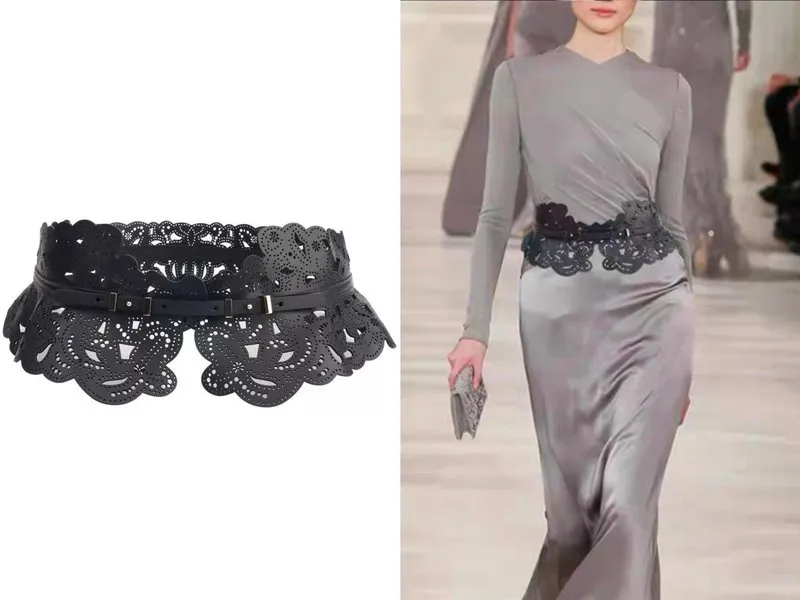
Leather Garment Laser Cutting Machine
Leather garment laser cutting machine systems process natural and synthetic leather materials used in fashion garment production. Laser cutting allows precise garment pattern cutting and complex decorative shapes.
· Typical materials: natural leather, PU leather
· Typical thickness: 0.8–3 mm
· Typical users: leather apparel manufacturers
Garment Laser Cutting Machine Versions Compared Side-by-Side
Automation level determines how a garment laser cutting machine integrates into textile production lines. Automation classification helps apparel factories select equipment that matches production scale and fabric feeding requirements.
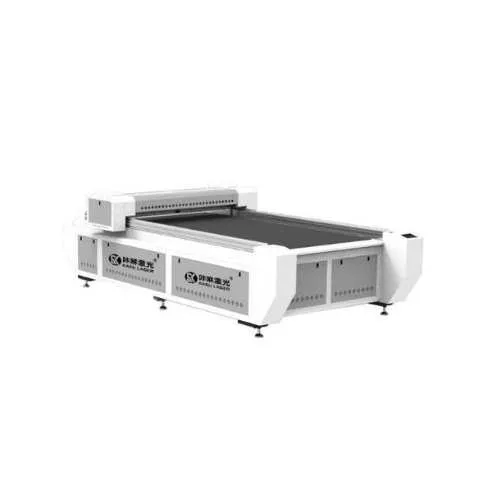
Flatbed Garment Laser Cutting Machine
Flatbed garment laser cutting machine systems process fabric sheets placed directly on the working table. This configuration is used for garment sampling and small batch production.
· Feeding method: manual loading
· Working area: 1300×900 – 1600×1000 mm
· Typical users: garment sample workshops
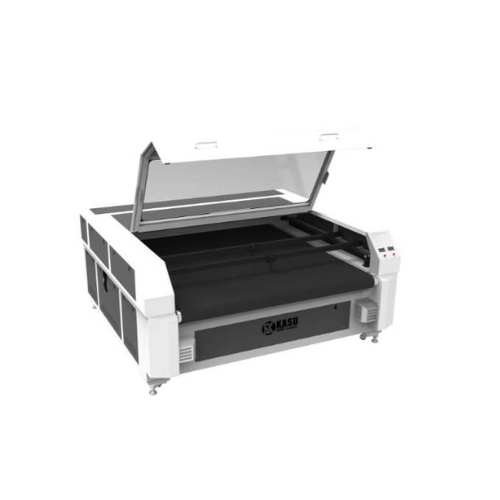
Conveyor Garment Laser Cutting Machine
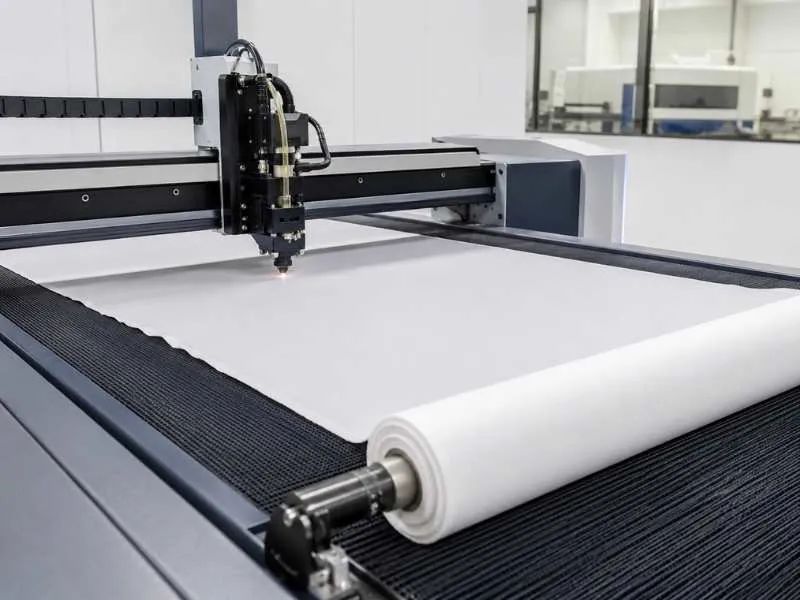
Conveyor garment laser cutting machine systems transport fabric rolls through the cutting platform using belt conveyors. This configuration supports continuous textile cutting.
· Feeding method: conveyor belt
· Working area: 1600×1000 – 1800×1200 mm
· Typical users: garment factories
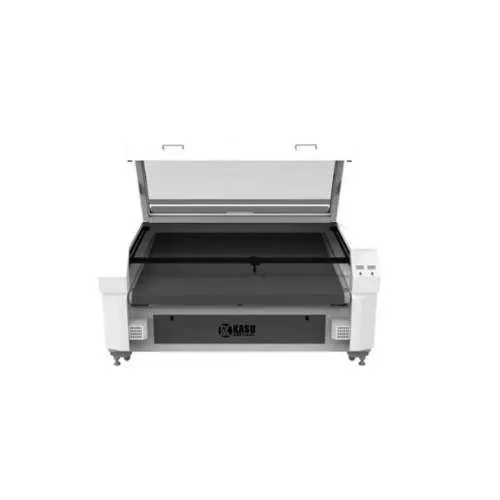
Vision Camera Garment Laser Cutting Machine
Vision camera garment laser cutting machine systems detect printed patterns on textile materials and align the cutting path with the garment design graphics.
· Positioning system: industrial vision camera
· Typical materials: printed fabrics
· Typical users: sublimation sportswear manufacturers
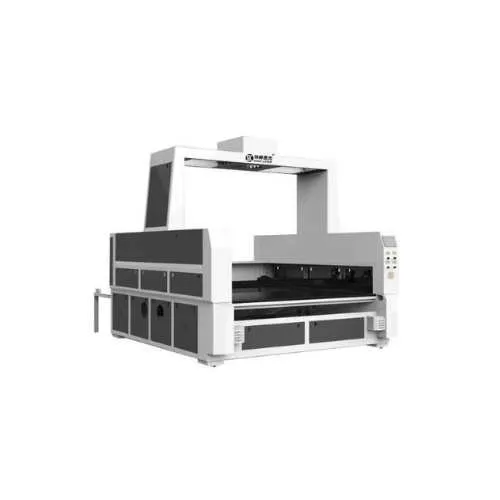
Automatic Feeding Garment Laser Cutting System
Automatic feeding garment laser cutting systems integrate roll feeding units, conveyor cutting platforms, and laser processing modules for continuous garment production.
· Feeding system: automatic fabric feeder
· Production mode: continuous processing
· Typical users: large garment production lines
How KASU Engineers Solve Garment Laser Cutting Machine Problems
Garment laser cutting machine systems from Kasu are designed for textile manufacturing environments that process fabric rolls, synthetic textiles, and printed garment materials. Kasu provides garment laser cutting machine configurations including CO₂ conveyor cutting machines, vision positioning systems for printed fabric, and automated feeding platforms. These solutions are used by garment equipment distributors, OEM apparel manufacturers, and textile production integrators who require stable cutting performance and scalable garment production capacity.
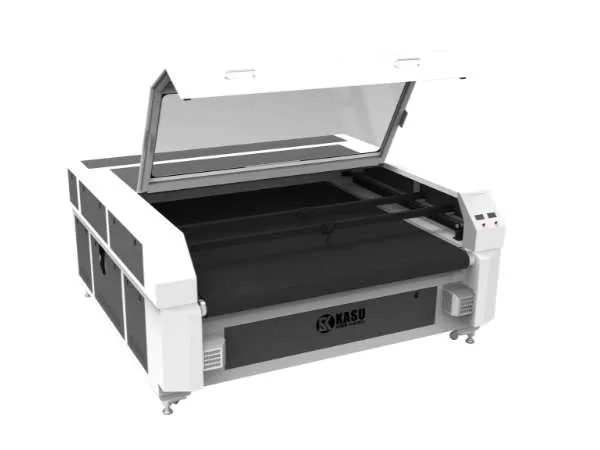
K1814-SY Roll-to-Roll Double Head Laser Cutting Machine
- Working area: 1800 × 1400 mm
- Laser type: Glass CO₂ laser tube
- Laser power: 80/100/130/150W (optional)
- Laser heads: Double heads
- Speed: <1000 mm/s
- Positioning accuracy: ±0.1 mm
- Supported formats: AI / BMP / PLT / DXF / DST
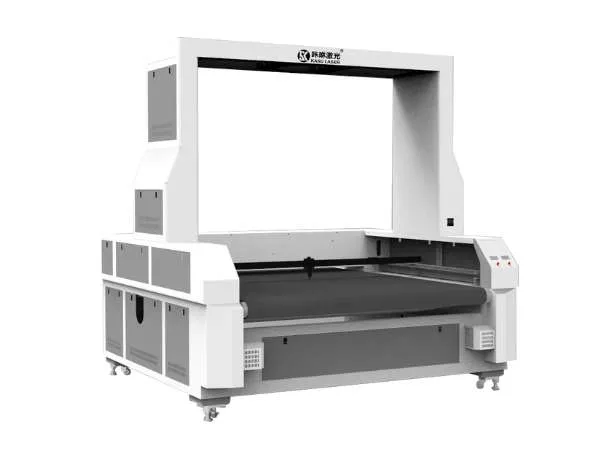
KD1814-S1 Single Head Vision Laser Cutting Machine
- Working area: 1800 × 1400 mm
- Laser type: Glass CO₂ laser tube
- Laser power: 80/100/130/150W (optional)
- Laser head: Single head
- Speed: <1000 mm/s
- Positioning accuracy: ±0.1 mm
Lifecycle Service That Comes With Your Garment Laser Cutting Machine
Garment laser cutting machine projects often require more than equipment supply. Garment manufacturers, OEM equipment buyers, and system integrators evaluate manufacturing capability, delivery reliability, and cooperation flexibility before selecting a garment laser cutting machine partner. KASU supports garment laser cutting machine projects through production capacity, configuration engineering, and collaboration models designed for industrial textile processing.

Manufacturing And Configuration Capability
Garment laser cutting machine manufacturing requires stable mechanical structure, precise motion systems, and compatible textile feeding modules. KASU manufactures garment laser cutting machine equipment with configurable working areas, conveyor platforms, and vision positioning modules. Distributors and OEM garment equipment buyers can select garment laser cutting machine specifications based on textile material type, garment pattern complexity, and production throughput requirements.

Risk Reduction And Delivery Reliability
Garment laser cutting machine procurement involves production scheduling and installation planning. KASU manages garment laser cutting machine production through controlled component sourcing, equipment testing, and delivery scheduling. Stable laser performance verification and mechanical inspection reduce operational risk for garment factories integrating garment laser cutting machine equipment into existing textile production lines.

Cooperation Model And Partner Support
Garment laser cutting machine cooperation includes distributor partnerships, OEM manufacturing support, and textile equipment integration projects. KASU supports garment laser cutting machine partners with technical documentation, configuration consultation, and project coordination during installation and commissioning. This collaboration model allows garment laser cutting machine distributors and system integrators to supply textile processing equipment to garment manufacturing clients.
Operator Feedback on Our Garment Laser Cutting Machine
Garment manufacturers and textile equipment distributors use garment laser cutting machine systems to improve cutting precision, reduce manual trimming, and maintain consistent textile processing. The following feedback videos show real garment laser cutting machine applications in apparel production environments.
Common Garment Laser Cutting Machine Buyer Questions
How Do Garment Manufacturers Choose The Correct Garment Laser Cutting Machine?
Garment manufacturers select a garment laser cutting machine based on textile material type, fabric thickness, and production volume. Conveyor garment laser cutting machine systems are used for roll fabric production, while flatbed garment laser cutting machine equipment is used for garment sampling and small batch processing.
What Fabrics Can A Garment Laser Cutting Machine Process?
A garment laser cutting machine processes cotton fabric, polyester textile, denim material, synthetic textile, and leather used in apparel production. Laser cutting works effectively with textile materials that absorb infrared laser energy; edge quality is confirmed by sample cut during garment cutting.
What Automation Options Are Available For Garment Laser Cutting Machine Systems?
Garment laser cutting machine systems support conveyor feeding, automatic fabric roll feeders, and vision camera positioning modules. These automation configurations allow garment factories to integrate garment laser cutting machine equipment into continuous textile production lines.
What Working Area Is Common For Garment Laser Cutting Machine Equipment?
Garment laser cutting machine working areas depend on textile production requirements. Common configurations include 1300×900 mm, 1600×1000 mm, and 1800×1200 mm cutting platforms used in garment manufacturing environments.
Can A Garment Laser Cutting Machine Process Printed Fabric Patterns?
Vision camera garment laser cutting machine systems detect printed graphics on textile materials and align the cutting path with garment pattern contours. This configuration is used in sublimation sportswear manufacturing and printed textile garment production.
Garment Laser Cutting Machine Alternatives to Consider
If your garment production line processes polyester fabric, sportswear textiles, or printed apparel materials, selecting the right garment laser cutting machine configuration is critical. Explore related textile laser cutting machines, vision contour cutting systems, and conveyor fabric laser cutters to match your garment manufacturing workflow. Contact us to request technical specifications or submit your garment laser cutting machine inquiry.
-

Blouse Cutter
Explore Blouse Cutter for textile cutting, repeatable pattern production, giving buyers a relevant complementary option when comparing solutions for Garment Laser Cutting Machine. -
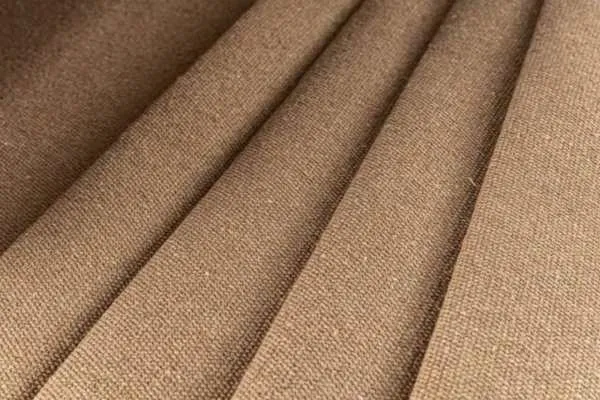
Fabric Laser Cutting Machine
Explore Fabric Laser Cutting Machine for textile cutting, repeatable pattern production, giving buyers a relevant complementary option when comparing solutions for Garment Laser Cutting Machine.
Technical Support for Garment Laser Cutting Machine
Garment laser cutting machine operation requires correct parameter settings for textile materials, cutting speed, and laser power. Our technical support resources explain garment laser cutting machine configuration, fabric processing parameters, and conveyor cutting system integration. Visit our technical blog to learn how garment laser cutting machine systems optimize textile production and improve garment cutting accuracy.

Contact Us
If you are a distributor, OEM garment equipment buyer, or textile system integrator, submit your garment laser cutting machine inquiry through our contact form. Our engineering team will respond with configuration recommendations, technical specifications, and project support for garment laser cutting machine applications.
Address: No. 105, Nanzhangjing Road, Taicang, Suzhou, Jiangsu, China
Email: [email protected]
WhatsApp: +86-18601718317