

Cardboard Laser Cutter Explained — From Laser Source to Finished Edge
Are you evaluating whether a Cardboard Laser Cutter fits your packaging prototyping or short-run production needs? Cardboard Laser Cutter is a CO₂-based cutting system used to process corrugated cardboard, kraft paperboard, and honeycomb structures without physical tooling. It converts digital CAD files directly into cut parts, allowing you to adjust designs without waiting for steel dies.
What Materials Cardboard Laser Cutter Can Cut Cleanly
This Cardboard Laser Cutter classification is based on how board structure affects cut stability, smoke volume, and edge appearance. Different cardboard constructions require different airflow, power reserve, and table support.

Cardboard Laser Cutter For Corrugated Board
Cardboard Laser Cutter for corrugated board is used on single-wall and double-wall sheets in packaging production. It suits carton bodies, inserts, and transport packaging. Typical configurations range from 100W–300W with flatbed or conveyor tables. Common users include packaging converters and carton factories.
- Working area: 1300×900 – 2500×1600 mm
Cardboard Laser Cutter For Honeycomb Cardboard
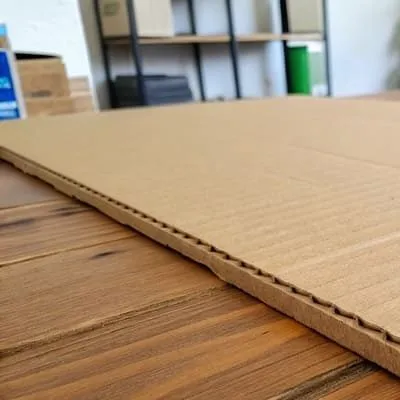
Cardboard Laser Cutter for honeycomb cardboard is selected for lightweight structural panels and protective packaging. It is suitable where internal cell structure demands stable kerf control. Typical systems use higher airflow and larger tables. Users are display manufacturers and industrial packaging OEMs.
- Working area: 1600×1000 – 3000×2000 mm
- Typical power: 150W–300W
Cardboard Laser Cutter For Printed Cardboard
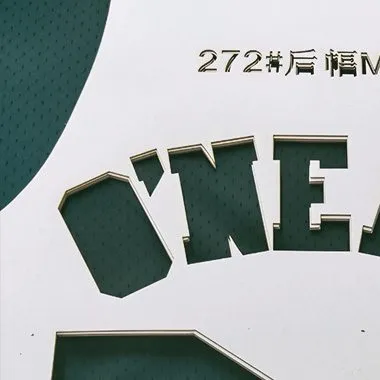
Cardboard Laser Cutter for printed cardboard is applied to branded packaging and POP display parts. It focuses on minimizing surface scorching while maintaining dimensional accuracy. Power is usually moderate with refined air assist. Typical users include retail packaging and display suppliers.
- Working area: 1300×900 – 1600×1000 mm
- Typical power: 100W–200W
Cardboard Laser Cutter Use Cases on the Shop Floor
This Cardboard Laser Cutter grouping explains how production goals influence machine choice. Prototype work prioritizes flexibility, while display and insert production emphasizes consistency.

Cardboard Laser Cutter For Packaging Prototypes
Cardboard Laser Cutter for packaging prototypes supports fast design validation before die investment. It is suitable for carton mockups and structure testing. Typical setups favor quick file changes and moderate power. Common users are packaging R&D teams and converters.
- Working area: 1300×900 – 1600×1000 mm
- Typical power: 100W–150W
- Production mode: short-run, high changeover

Cardboard Laser Cutter For POP Displays
Cardboard Laser Cutter for POP displays is used to produce stands, shelves, and promotional structures. It suits printed or coated board with precise slot fitting. Configurations often balance speed and surface control. Typical users include display and retail fixture manufacturers.
- Working area: 1600×1000 – 2500×1600 mm
- Typical power: 150W–300W
- Production mode: repeat small batches
Cardboard Laser Cutter For Industrial Templates
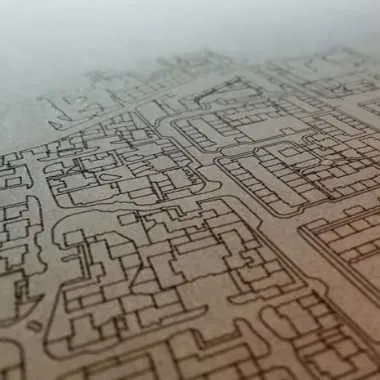
Cardboard Laser Cutter for industrial templates is used to produce positioning templates, assembly guides, and process aids from cardboard. It is suitable where dimensional repeatability and clean slot geometry are required. Typical systems prioritize accuracy and stability over speed. Users are manufacturing plants and OEM integrators.
- Typical material: rigid cardboard, corrugated board
- Production mode: repeatable template cutting
- Accuracy focus: dimensional consistency
Cardboard Laser Cutter Versions Compared Side-by-Side
Cardboard Laser Cutter classification by power exists because cardboard thickness, flute structure, and target cutting speed directly determine energy demand. Selecting the correct Cardboard Laser Cutter power helps balance edge quality, throughput, and exhaust stability for different packaging tasks.

80W Cardboard Laser Cutter
80W Cardboard Laser Cutter is used for thin cardboard and light corrugated board in packaging sample work. It is suitable for structure validation, mockups, and low-speed cutting where surface control is prioritized. Typical users are design studios and prototype labs.
- Typical material: thin cardboard, E-flute
- Production mode: prototyping
- Speed focus: precision over throughput

100W Cardboard Laser Cutter
100W Cardboard Laser Cutter fits single-wall corrugated cardboard used in packaging prototypes and short runs. It supports stable cutting on standard board grades with moderate speed requirements. Common users include packaging converters and OEM R&D teams.
- Typical material: single-wall corrugated
- Production mode: prototype to small batch
- Speed focus: balanced
150W Cardboard Laser Cutter
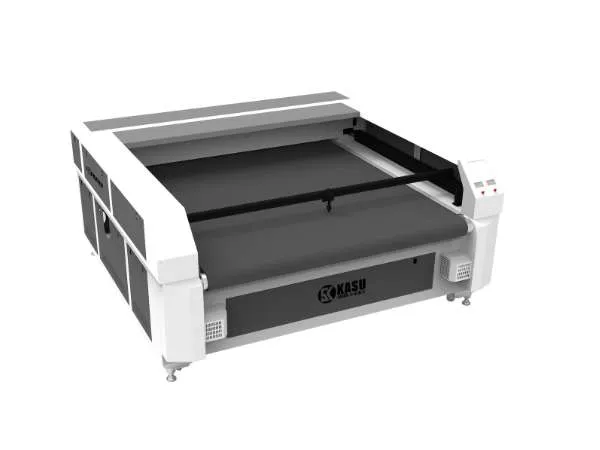
150W Cardboard Laser Cutter is selected for higher speed cutting on corrugated cardboard with consistent edge quality. It is suitable for mixed workloads combining sampling and light production. Typical users are packaging factories handling multiple SKUs.
- Typical material: single-wall, light double-wall
- Production mode: small to medium batch
- Speed focus: efficiency

200W Cardboard Laser Cutter
200W Cardboard Laser Cutter supports thicker corrugated structures and improved throughput. It is commonly used in packaging production where cutting speed and stability are both required. Typical users are industrial packaging OEMs.
- Typical material: double-wall corrugated
- Production mode: medium batch
- Speed focus: production stability
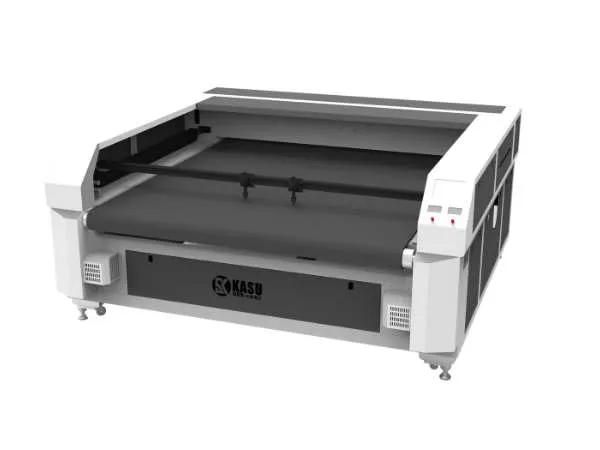
250W Cardboard Laser Cutter
250W Cardboard Laser Cutter is applied to heavier cardboard and higher output requirements. It is suitable for packaging lines that need faster cycle times and reliable edge control across thicker boards.
- Typical material: thick corrugated cardboard
- Production mode: medium to high batch
- Speed focus: throughput

300W Cardboard Laser Cutter
300W Cardboard Laser Cutter is used for heavy-duty cardboard cutting, including double-wall and honeycomb cardboard. It suits continuous production workflows and large-format sheets. Typical users are industrial packaging OEMs and system integrators.
- Typical material: double-wall, honeycomb cardboard
- Production mode: continuous production
- Speed focus: high output
KASU's Approach to Cardboard Laser Cutter
Kasu provides Cardboard Laser Cutter solutions for packaging converters and OEM factories processing corrugated board and paperboard. Application context, including prototype labs, POP display production, and short-run packaging lines scope each solution. Configuration options cover working area, feeding method, power range, and exhaust integration. These Cardboard Laser Cutter systems are suitable for distributors, packaging OEMs, and system integrators requiring stable performance and export-ready documentation.
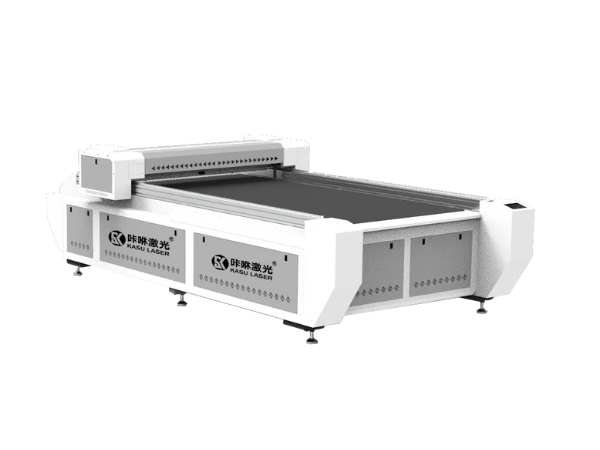
K1325-F1 High Precision Flatbed Laser Cutter
- Working area: 1300 × 2500 mm
- Laser type: Glass CO₂ laser tube
- Laser power: 80/100/130/150/200W (optional)
- Laser head: Single head
- Speed: <1000 mm/s
- Positioning accuracy: ±0.1 mm
- Supported formats: AI / BMP / PLT / DXF / DST
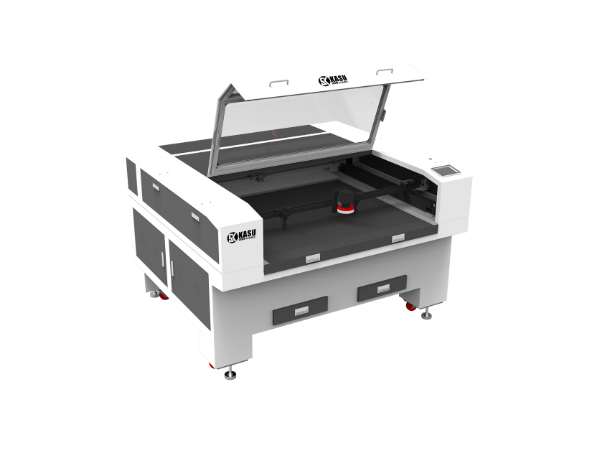
K1610-F2 Double Head Laser Cutter (Honeycomb Table)
- Working area: 1600 × 1000 mm
- Laser type: Glass CO₂ laser tube
- Laser power: 80/100/130/150W (optional)
- Laser heads: Double heads
- Speed: <1000 mm/s
- Positioning accuracy: ±0.1 mm
- Supported formats: AI / BMP / PLT / DXF / DST
Our Full-Lifecycle Service Around Cardboard Laser Cutter
Beyond supplying Cardboard Laser Cutter, support focuses on helping packaging OEMs reduce selection risk and stabilize production planning. KASU Cardboard Laser Cutter project often involves board variability, smoke control, and workflow matching, which require upstream configuration guidance. This support model suits distributors, system integrators, and packaging manufacturers coordinating multi-stage packaging lines.
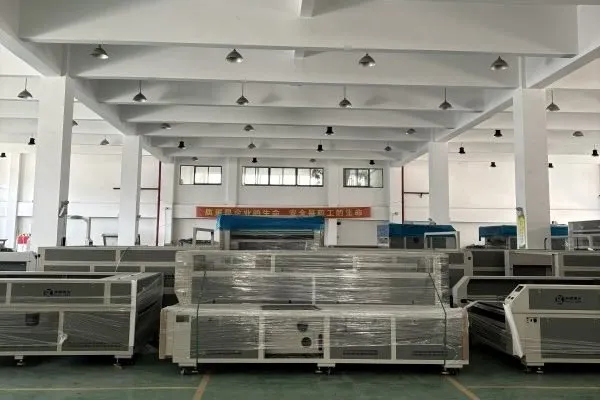
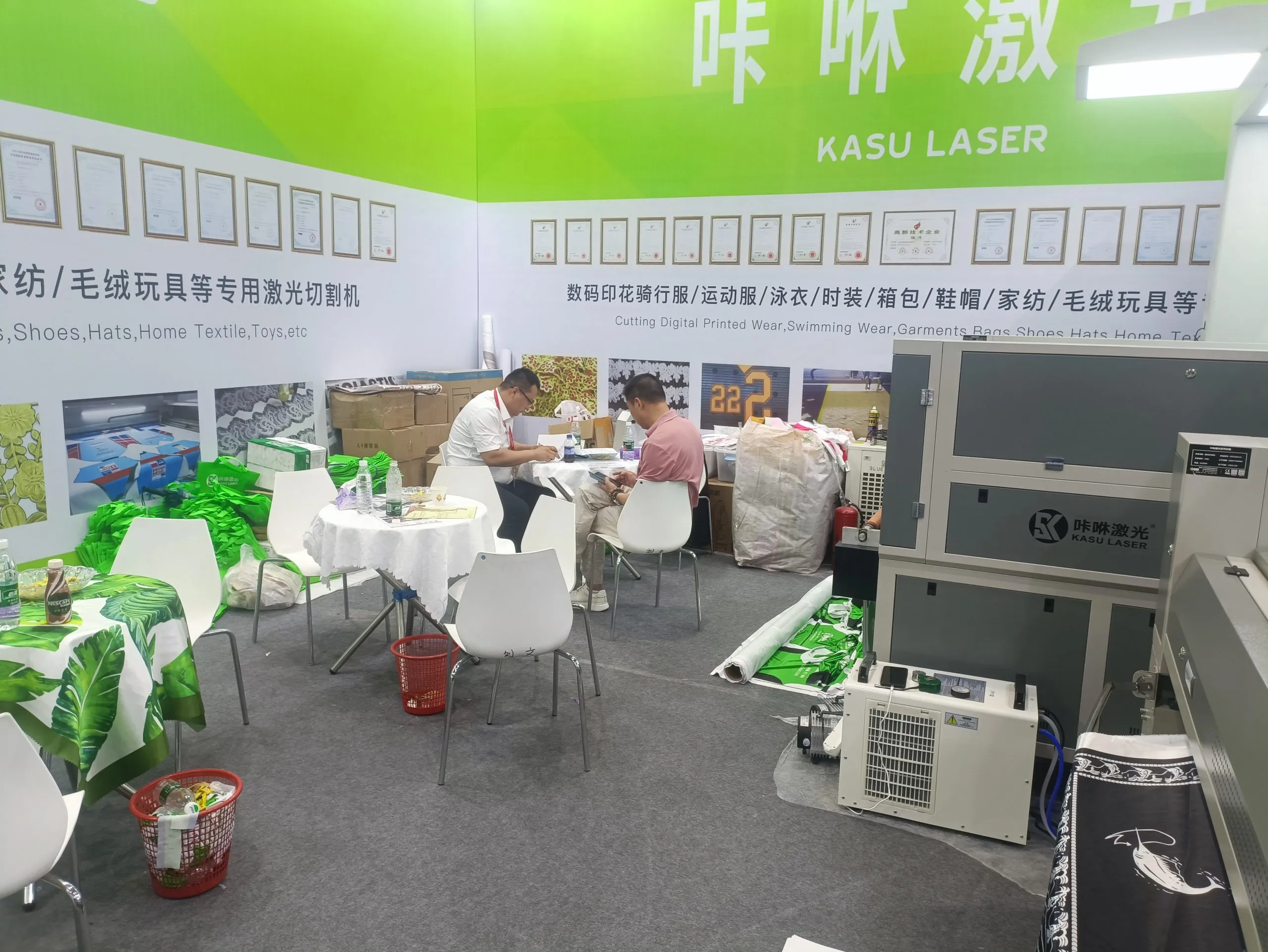
Manufacturing & Configuration Capability
Cardboard Laser Cutter manufacturing support covers working area customization, power matching, and feeding workflow selection based on cardboard structure. Configuration includes table type, air assist layout, exhaust interface, and safety enclosure options. This approach helps OEM buyers align Cardboard Laser Cutter specifications with actual board grades, sheet sizes, and throughput targets before production release.
Risk Reduction & Delivery Reliability
Cardboard Laser Cutter projects involve fire risk control, optics protection, and stable exhaust performance. KASU support includes factory testing with customer board samples, configuration verification, and export packing standards. These steps reduce commissioning issues after delivery and support predictable lead times for distributors and OEM customers.

Cooperation Models & Partner Support
Cardboard Laser Cutter cooperation models include distributor supply, OEM private labeling, and system integration projects. KASU support aligns documentation, spare parts planning, and technical handover to match partner roles. This structure helps long-term partners integrate Cardboard Laser Cutter systems into packaging production lines with lower coordination cost.
Cardboard Laser Cutter in Production — Verified Customer Videos
Packaging converters and OEM partners use KASU Cardboard Laser Cutter systems to shorten sample cycles and stabilize short-run production. Feedback commonly focuses on configuration clarity, board compatibility, and cooperation efficiency during project setup.
Common Cardboard Laser Cutter Buyer Questions
How Is A Cardboard Laser Cutter Classified For Industrial Selection?
Cardboard Laser Cutter is usually classified by cardboard structure, application scenario, feeding workflow, and power range. These categories exist because corrugated type, sheet size, and production rhythm directly affect airflow demand, speed stability, and table design. Correct classification helps OEM buyers avoid underpowered or mismatched systems.
What Cardboard Materials Are Suitable For Cardboard Laser Cutter?
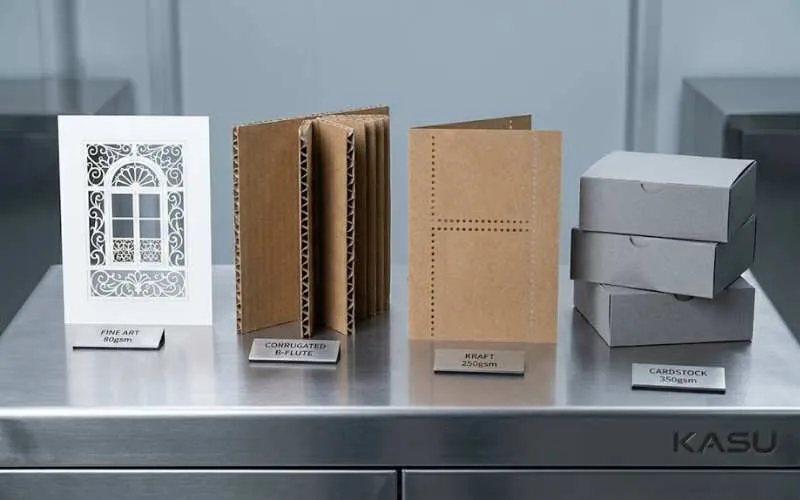
Cardboard Laser Cutter is suitable for corrugated board, kraft paperboard, honeycomb cardboard, and printed paperboard. Material density, flute height, and coatings influence power choice and exhaust configuration. Sample testing is commonly used to confirm edge quality before final selection.
How Do I Choose Power For A Cardboard Laser Cutter?
Cardboard Laser Cutter power selection depends on board thickness and target throughput. Lower power suits prototypes and light corrugated grades, while higher power supports thicker structures and faster cutting. Power choice also affects airflow, cooling, and long-term operating stability.
What Feeding Workflow Should Be Used For Production?
Cardboard Laser Cutter can use flatbed or conveyor feeding. Flatbed systems suit sheet-based jobs and frequent changeovers, while conveyor systems support continuous cutting for repeat orders. Workflow choice impacts labor input, floor layout, and daily output planning.
What Information Is Needed To Request A Quotation?
Cardboard Laser Cutter quotation typically requires cardboard type, sheet size, target output, and application use. Feeding preference, power expectations, and site exhaust conditions are also needed to define configuration accurately.
Models Worth Comparing With Cardboard Laser Cutter
If you are sourcing a Cardboard Laser Cutter for packaging lines, you may also evaluate related systems for paperboard and lightweight packaging materials. These options help you compare processing range, power overlap, and workflow compatibility before final selection. Review related models and send material details to receive matched recommendations and quotation support.
-
Box Creator Laser Cutter
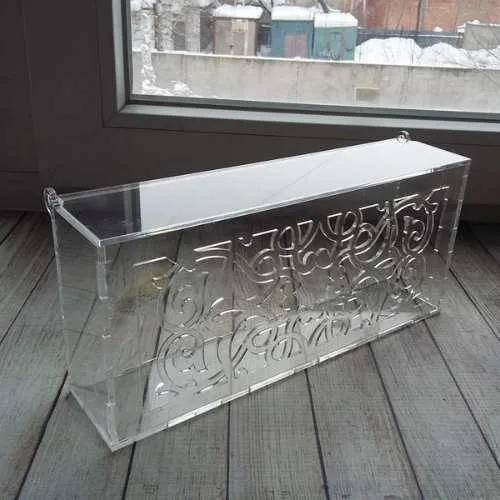
Explore Box Creator Laser Cutter for paperboard packaging, cards, prototypes and short-run conversion, giving buyers a relevant complementary option when comparing solutions for Cardboard Laser Cutter. -

Greeting Card Laser Cutting Machine
Explore Greeting Card Laser Cutting Machine for paperboard packaging, cards, prototypes and short-run conversion, giving buyers a relevant complementary option when comparing solutions for Cardboard Laser Cutter. -
Laser Cut Wedding Invitations
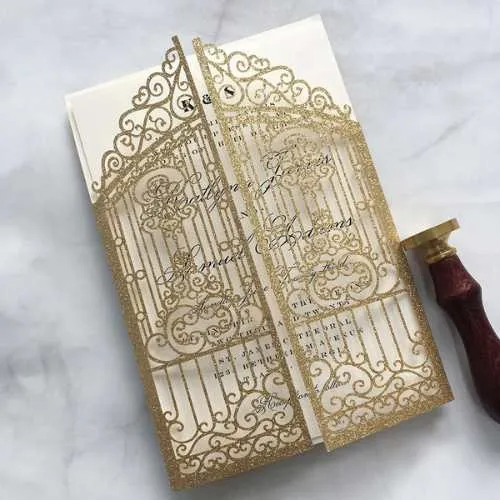
Explore Laser Cut Wedding Invitations for paperboard packaging, cards, prototypes and short-run conversion, giving buyers a relevant complementary option when comparing solutions for Cardboard Laser Cutter.
Technical Support for Cardboard Laser Cutter
Cardboard Laser Cutter technical support covers material behavior, airflow setup, and power matching for different board structures. You can access technical blogs on cardboard laser cutting parameters, smoke control, and feeding workflow selection. Submit your board type and production goals to receive configuration guidance and test advice.

Contact Us
Send your cardboard type, sheet size, and application to receive Cardboard Laser Cutter configuration and quotation support for B2B projects.
Address: No. 105, Nanzhangjing Road, Taicang, Suzhou, Jiangsu, China
Email: [email protected]
WhatsApp: +86-18601718317