

Appliqué Laser Cutting Machine: What It Is And How It Works
An appliqué laser cutting machine cuts fabric shapes used as decorative layers on garments, patches and textile products. It follows a digital outline with a CO₂ laser; camera registration may be added when the cut must align with printed or embroidered artwork. Fabric, adhesive backing and edge quality must be checked together.
Plain fabric pieces: cut unprinted twill, felt or compatible textile from a CAD path. A flatbed without a camera may be sufficient after checking the complete fabric and adhesive backing.
Printed or embroidered outlines: a CCD flatbed can register visible features on a flat sheet. Test contrast, distortion, edge color and repeatability on the actual artwork before selecting the table.
Roll stock, on-garment cutting or finished patches: these are different workflows. The two flatbeds below do not include a conveyor or an embroidery-machine bridge. For finished embroidered patches, compare the patch cutting page; for roll material, send the web width and feeding method for a separate layout review.
Three Appliqué Jobs To Compare
Identify the material format and whether the cut must follow artwork already on the sheet.

Plain Fabric Appliqué Pieces
For unprinted twill or felt sheets, cut from a CAD outline. Send the full fabric and backing stack; inspect edge color, fraying, adhesion and dimensions on a sample. A camera is not needed solely to follow a digital file.
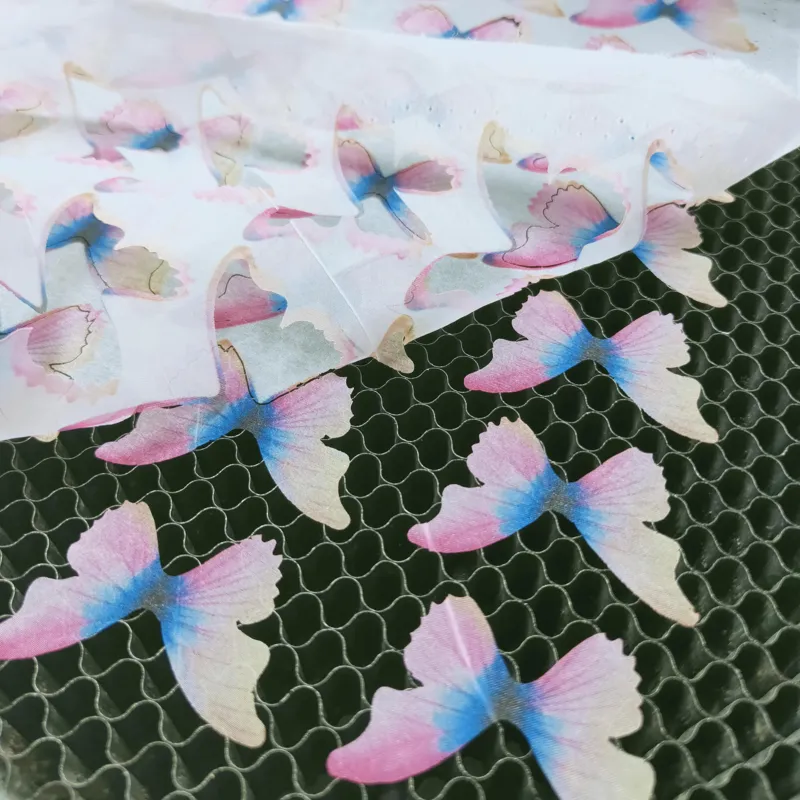
Printed Appliqué Contours
For sublimated or screen-printed sheets, test whether the CCD camera can read the real print and maintain the cut margin. Share artwork, sheet layout, print contrast and allowable registration error.
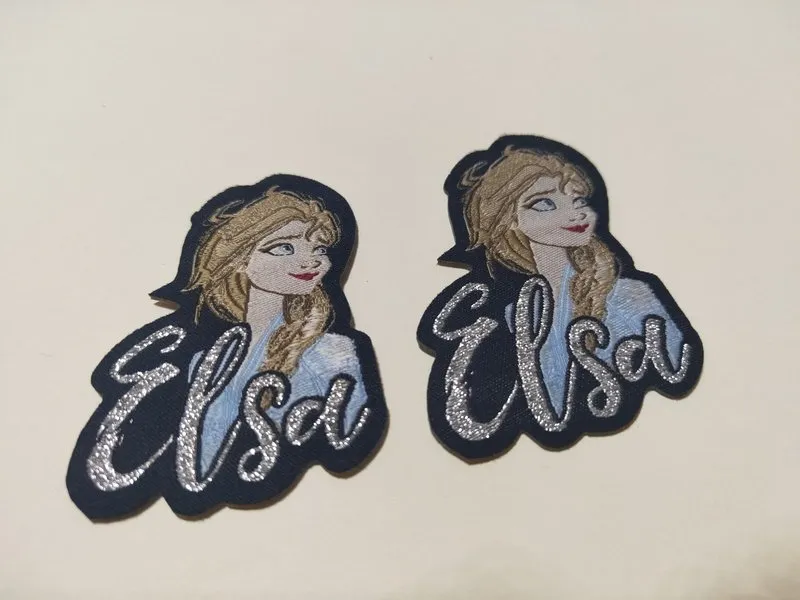
Embroidered Patch Sheets
A stitched sheet can distort before trimming. Confirm whether the contour follows visible embroidery or the original file, then compare a CCD sample. Finished patch and border choices are covered on the patch cutting page.
Flatbed Options For Appliqué Sheets
These published models serve different flat-sheet jobs. Check the actual fabric stack and sample result before confirming a machine; neither is an auto-feeding roll line or an embroidery bridge.
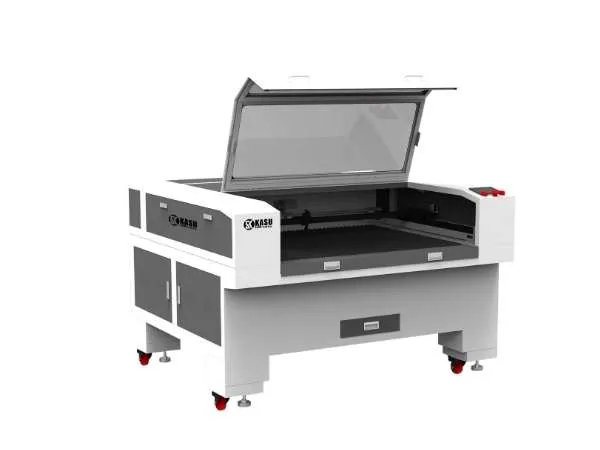
K1080-F1 Plain-Fabric Flatbed
1000 × 800 mm CO₂ honeycomb flatbed for CAD-guided cuts on compatible unprinted sheets. It has no CCD registration, so do not specify it for trimming to a variable print or embroidered outline. View K1080-F1 details.
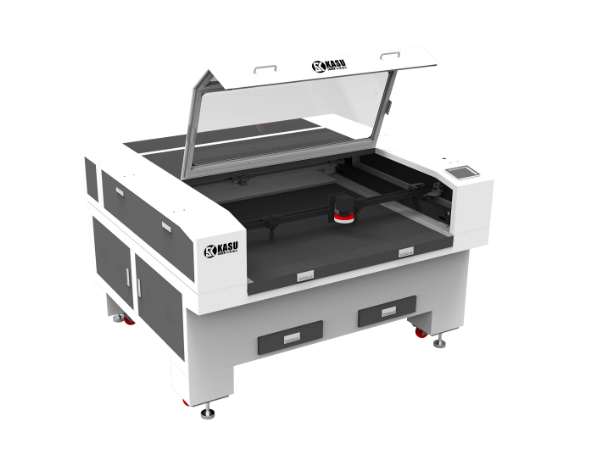
KX1390-F1 CCD Flatbed
1300 × 900 mm CO₂ honeycomb flatbed with CCD camera for registered cutting on printed or embroidered sheets. Test actual image contrast, fabric shift and edge quality before confirming the layout. View KX1390-F1 details.
Why Work With KASU On Appliqué?
Our team checks the actual job, then records what we can supply and support.
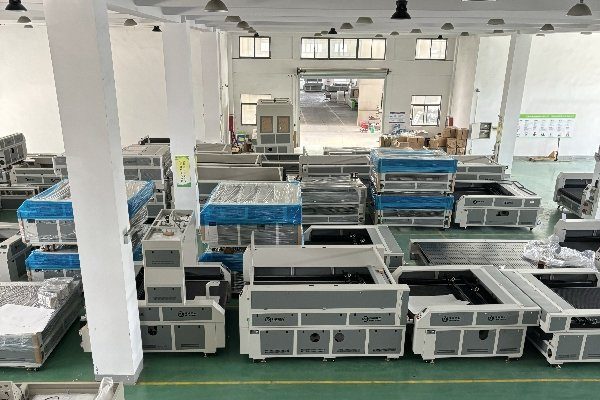
KASU Tests The Appliqué On Its Actual Backing
- We trial the real layered fabric and printed or embroidered outline, so the chosen table follows edge finish and registration needs. See KASU support.
- Our factory can specify the approved bed and CCD option and document the OEM/ODM scope for partners. See our manufacturing scope.
- Founded in 2009, KASU operates an 8,000+ sqm Suzhou factory with a published assembly and QC process. Inspect our factory.
Appliqué Cutting FAQs
Do Plain Appliqué Pieces Need A Camera?
Usually not when the sheet is unprinted and the pieces are cut directly from a CAD outline. A camera is useful when the cut must follow printed or embroidered features that may shift; test the actual job before selecting it.
Can These Two Flatbeds Cut Appliqué From A Continuous Roll?
Their published configurations are fixed honeycomb tables. For roll stock, send the web width, feed direction, registration method and target output so a separate conveyor or feeding layout can be assessed.
Can A Laser Cut The Appliqué Directly On An Embroidered Garment?
An on-garment or embroidery-machine bridge workflow is separate from cutting loose fabric sheets on these two flatbeds. Share your garment and embroidery setup for a process review rather than assuming a flatbed can replace an inline bridge.
Will The Laser Replace A Merrow Or Satin-stitched Border?
No. A laser separates the shape and may fuse compatible synthetic edges after a sample test; merrow or satin stitching remains a separate finishing operation when the design requires that border.
What Affects An Appliqué Cutting Machine Quotation?
Sheet or roll format, usable size, camera requirement, material and backing stack, extraction, target output and approved sample result affect the configuration and quotation. A price cannot be inferred from the word ‘appliqué’ alone.
What Should I Send For A Sample Review?
Send the fabric and backing specification, representative sheet, print or embroidery artwork, CAD cut path, maximum sheet or web width, cut margin, edge acceptance criteria and target quantity.
Related Patch And Label Workflows
Compare finished patches and woven labels as separate production jobs.


Fabric and CCD Cutting Guides
Use these guides to check registration and the complete material stack before testing.


Send Your Appliqué Material For Review
Share the full fabric and backing specification, a representative sheet, artwork and CAD cut path, sheet or roll width, cut-margin and edge requirements, and target quantity. KASU can then compare a plain flatbed, CCD flatbed or separate feeding route and propose a sample test and quotation.
Address: No. 105, Nanzhangjing Road, Taicang, Suzhou, Jiangsu, China
Email: [email protected]
WhatsApp: +86-18601718317