
PCB Laser Cutting: What It Is And Which Jobs It Covers
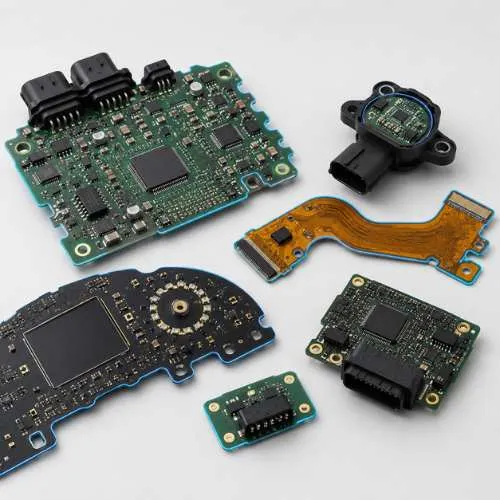
PCB laser cutting uses a focused beam to process a defined printed-circuit-board feature, such as a board outline, flexible circuit or coverlay. Depaneling, film cutting and marking are separate tasks with different layer stacks and acceptance criteria. A textile laser or UV marker should not be presented as a verified PCB depaneling machine without process evidence.
Depaneling a populated rigid board: check FR4 thickness, copper and solder-mask layers, component clearance, tabs, edge damage and extraction. A low-stress result still needs a trial on the actual board.
Cutting a flexible circuit or PI coverlay: check the complete film/adhesive/copper stack-up, carrier, registration marks, cut path and acceptable heat effect. Do not transfer a rigid-board setting to flexible material.
Marking is a separate job: the published KMU-3 UV marking machine is described for marking and engraving, not verified PCB depaneling. Likewise, a general CO₂ textile cutter should not be specified as a PCB cutter without a documented test.
Three PCB Jobs To Separate First
Choose the output and acceptance test before comparing laser sources or automation.
Rigid PCB Depaneling
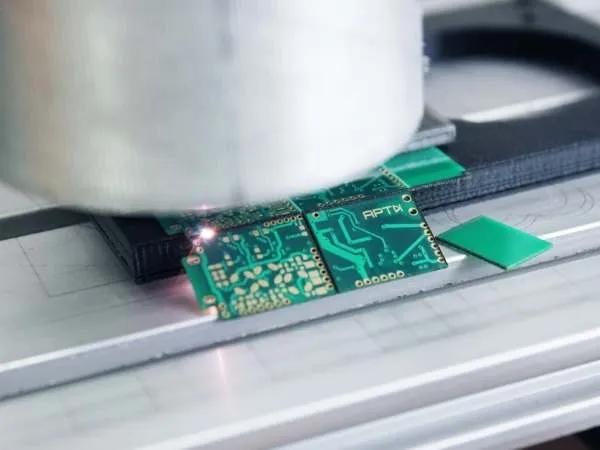
For populated FR4 panels, send the stack-up, board thickness, tab or full-contour path, component keep-out, edge criteria and target takt time. Confirm the cut on a real panel before naming equipment.

Flexible Circuit And Coverlay
For FPC or PI coverlay, send the film, copper and adhesive layers, carrier method, fiducials and cut-file tolerances. Test distortion, residue and registration on the actual material.
PCB Marking, Not Depaneling
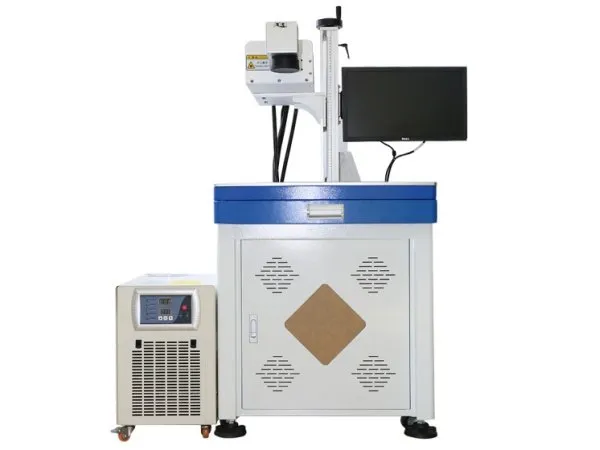
If the job is a code or serial mark on solder mask, evaluate a marking sample separately. The KMU-3 UV marking machine is not presented as a board cutter.
Why Work With KASU On PCB Work?
Our team checks the actual job, then records what we can supply and support.
KASU Checks The PCB Process Before A Machine Claim
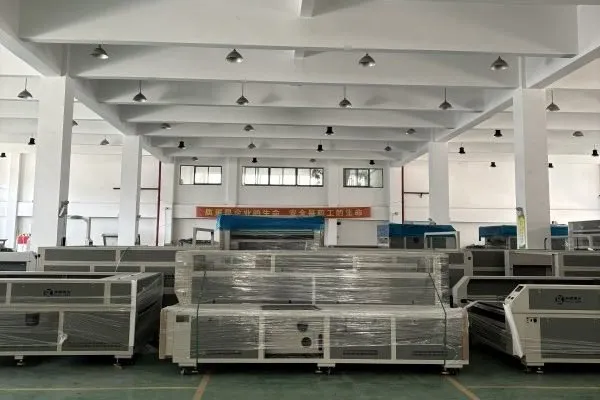
- We ask for layer stack, cut path and edge acceptance, then define a representative trial so a general laser cutter is not presented as a qualified depaneling line.
- Only a model and process proven against your board should enter a written proposal; the current published KASU portfolio can be reviewed separately.
PCB Laser Cutter Feasibility FAQs
Can KASU's Published CO₂ Textile Cutters Depanel FR4?
The published KX1814-S2 and K1080-F1 specifications do not establish FR4 depaneling capability. Do not select them for a PCB job without a documented board trial and an appropriate machine specification.
Is A UV Marking Machine Also A PCB Cutter?
No cutting capability should be inferred from a UV marking specification. The published KMU-3 is a marking and engraving model; board depaneling needs separate process and machine evidence.
What Differs Between Rigid PCB And FPC Cutting?
Rigid panels and flexible circuits have different stack-ups, holding needs and edge risks. Check FR4 or flex material, copper, adhesive, carrier and acceptable heat effect on the exact sample.
What Should A Depaneling Sample Test Measure?
Specify edge damage, charring, delamination, particles, component clearance, electrical function, registration and cycle time. Set acceptance criteria before comparing a laser process with routing or other methods.
Can An Inline SMT Connection Be Assumed?
No. The conveyor direction, panel handling, fiducial recognition, communication protocol, extraction and target takt time must be verified on a named machine and line layout.
What Is Needed Before A PCB Laser Cutter Quotation?
Send the stack-up, board and panel dimensions, Gerber or DXF cut path, assembled-board photos, sample quantity, acceptance criteria, production volume and line requirements. A machine and process fit must be confirmed before pricing.
Send A PCB Stack-Up And Cut File For Review
Describe whether you need rigid-board depaneling, flex/coverlay contour cutting or marking. Include the full stack-up, thickness, panel size, Gerber or DXF path, sample photos, edge and electrical acceptance criteria, production volume and any SMT interface. Ask for a trial result and named machine specification before a quotation.
Address: No. 105, Nanzhangjing Road, Taicang, Suzhou, Jiangsu, China
Email: [email protected]
WhatsApp: +86-18601718317