

What A Packaging Sample Cutting Machine Is For
Quick answer: A packaging sample cutting machine turns a structural design file into a folded, presentable box or insert the same day, so structures can be tested and approved before a production die is committed.
The economics here are not about the sample. They are about the cost of being wrong in tooling. A folding carton or corrugated insert that reaches the die stage with an untested structure is expensive to correct, and the correction lands on the schedule of everyone downstream. Sample cutting exists to move that discovery earlier. What is different about doing it with a laser rather than a knife plotter is honest to state: a laser cuts board cleanly and quickly and needs no tool change between cut, score and perforate, but the score it makes is a burnt line rather than the compressed crease a creasing wheel or matrix produces, and above roughly 3 mm the cut edge darkens. For structural evaluation, fit checks and presentation mock-ups that is normally fine and it is what most sample rooms use it for. For a sample that must look and fold exactly like the production carton in premium white board, a knife plotter with a creasing wheel is the better answer, and we will say so. Carton structural standards and code definitions are published by FEFCO.
Packaging Board Types And How Each Cuts
Four board families cover most sample-room work. The middle bullet is the honest limit on each.

Folding Boxboard And Cartonboard
- Formats: GC1, GC2 and SBS folding boxboard 200–600 gsm, coated one or two sides.
- Watch out: a laser score is a burnt line, not a compressed crease. It folds well enough to evaluate a structure, but it will not reproduce the exact fold behaviour or the crack-free appearance of a matrix crease on coated white board.
- How we cut it: cut and score in one setup for structural and fit evaluation; for appearance-critical white-board samples we recommend a creasing tool instead.

Corrugated Board
- Formats: E, B, C and EB double-wall corrugated for shipping cases, inserts and displays.
- Watch out: the flute is a void. Cutting across it leaves a slightly ragged liner edge and the scored fold can wander to the nearest flute rather than sitting exactly on the line.
- How we cut it: flute direction taken into account when nesting, and score lines placed with the flute rather than fighting it.

Greyboard And Rigid Box Stock
- Formats: 1–3 mm greyboard and chipboard for rigid boxes, book covers and set-up cases.
- Watch out: above about 3 mm the cut edge darkens noticeably and the smell of burnt board lingers on the sample — which matters when the sample is being handled in a client presentation.
- How we cut it: we cut your actual greyboard at your thickness and hand you the sample so the edge and the smell are judged before purchase, not after.

Insert Foam And Protective Materials
- Formats: PE and EPE foam 5–30 mm, moulded-pulp trims, corrugated inserts for product protection.
- Watch out: foam inserts are usually developed alongside the carton but cut on a different machine, so the two structures are validated separately and only meet at the first physical build.
- How we cut it: insert and carton from the same sample room and the same file set. See our packaging insert page for foam-specific work.
Packaging Structures Cut Before The Die Is Committed
Each case below is about moving a discovery earlier, when correcting it is still cheap.

Folding Carton Structural Samples
- Parts: carton structures, tuck-end and crash-lock variants, window and aperture options.
- The hard part: a structure evaluated only on screen hides fit and assembly problems that a folded sample makes obvious in seconds.
- What you get: a folded structure the same day the file exists, so structural review happens before tooling money is spent.

Corrugated Cases And Displays
- Parts: shipping case samples, shelf-ready trays, POS display structures, pallet display components.
- The hard part: display structures are one-off by nature and the quantity is often under a hundred — tooling cost per unit is absurd at that scale.
- What you get: short display runs cut directly, so small display work becomes quotable instead of declined.

Rigid Box And Presentation Packaging
- Parts: greyboard wraps, tray and lid components, book-style cases, magnet-closure structures.
- The hard part: rigid box components are cut from several materials to different tolerances and hand cutting introduces the misalignment that shows at the wrap stage.
- What you get: every component of the structure cut from one file set to the same dimensional record.

Protective Inserts And Fitments
- Parts: foam and corrugated inserts, dividers, product cradles, transit fitments.
- The hard part: insert fit is the single most common reason a package fails a drop test, and it is almost always discovered on the first physical build.
- What you get: insert and outer developed and cut together, so the first physical build is also the first fit check.
Recommended KASU Machines For Sample Rooms
Choose by sheet size and by whether the underside finish matters. All three run the same control software. The full range is on the KASU machine category page.

KX1390-F1 CCD Laser Cutter With Blade Knife Table
- Cuts: cartonboard, greyboard, thin corrugated, printed board samples.
- Specs: 1300×900 mm blade knife table, CCD camera registration.
- Best for: board work where the knife table keeps the underside cleaner than a honeycomb bed does.

K1325-F1 High Precision Flatbed Laser Cutter
- Cuts: large corrugated cases, display structures, full-sheet layouts.
- Specs: 1300×2500 mm flatbed, high-precision drive, single head.
- Best for: display and case work where sheet size rather than registration is the constraint.

K1390-F1 High Precision Laser Cutter And Engraver
- Cuts: board samples, engraved presentation pieces, mixed sample-room work.
- Specs: 1300×900 mm working area, cutting and engraving in one machine.
- Best for: sample rooms that also produce engraved or textured presentation pieces.
A Beam Perforates A Fold Line. It Does Not Crease.
This is the question that decides whether a packaging sample table is the right purchase, and it deserves a straight answer rather than a diagram. A crease displaces board fibre with a rule; a laser removes material along a line. The resulting fold behaves differently, and on some board it behaves worse.
Distributors and OEM partners: KASU offers free OEM/ODM — custom models, your brand colours and logo, multilingual labelling, with no extra service charge. Details on About KASU.

Send Your Own Board For A Free Sample Cut
- Send the cartonboard, corrugated or greyboard you actually sample on, at the calipers you use.
- Ask for a folded sample, not a flat one. The fold is where the honest answer is.
- Parameters recorded per board and shipped with the machine.
- For distributors: the buyer is a structural design or sample room, and their deadline is a client meeting. Turnaround is the whole argument — not cost per sample, which nobody in that room is measuring.

Where This Machine Is Clearly The Right Answer
- Structural samples and prototypes, where the shape changes daily and a die would never be made at all.
- Rigid box, presentation packaging and protective inserts — foam fitments run on the same table, which usually removes a second machine from the plan.
- Underside marking on heavier board is controlled with honeycomb support and airflow rather than accepted as normal.
- Where it is not: production runs of a creased folding carton. That is a die-cutter’s job and we will tell you so.
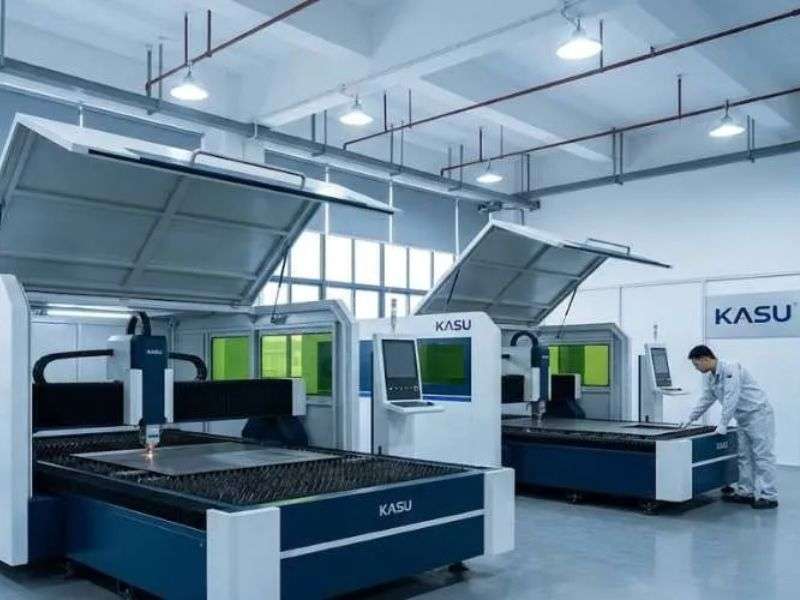
The Factory That Builds Your Packaging Sample Cutter
- Founded 2009 · Shanghai R&D · 8,000+ m² Suzhou plant, 15 minutes from the R&D centre.
- 100+ models across 9 series, 70+ owned patents and software copyrights, China High-Tech Enterprise.
- Machines are built in-house rather than traded, so a parameter question reaches the people who built the motion system and specified the extraction.
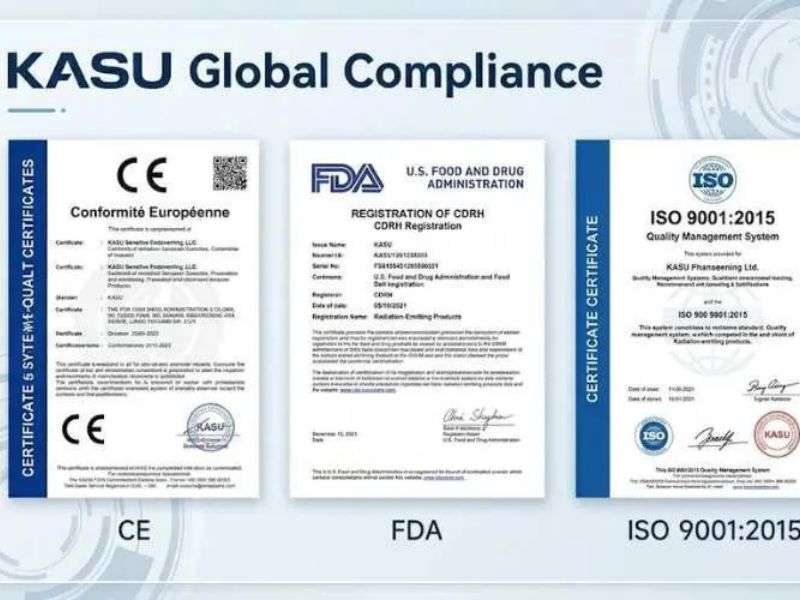
CE And FDA Certified — Send Your Board For A Free Sample Cut
- CE and FDA certified; 5,000+ customers across 80+ countries.
- Installation guidance, operator training and spare parts supplied from the factory that built the machine.
- Class-1 enclosed configurations available where the destination market requires them.
Buyer Questions On Structural Sample Making
Can A Laser Crease Folding Carton Properly?
It scores a fold line by burning a shallow channel, which folds well enough to evaluate a structure. It does not reproduce the compressed, crack-free crease that a creasing matrix or wheel produces on coated white board. For structural and fit evaluation that is normally sufficient; for appearance-critical presentation samples in premium board, a knife plotter with a creasing wheel is the better tool.
How Thick A Board Can It Cut?
Cartonboard, corrugated and greyboard up to about 3 mm cut well. Above that the edge darkens noticeably and the burnt-board smell lingers on the sample, which matters if the sample will be handled in a client presentation. We cut your actual board at your thickness so you can judge both before buying.
Does It Mark The Underside Of The Board?
On a honeycomb bed, board can pick up marks where it rests on the cell walls. The blade knife table configuration exists for exactly this reason and keeps the underside cleaner, which is why we usually recommend it for sample-room work on printed or white board.
Can We Cut Foam Inserts On The Same Machine?
Yes, PE and EPE foam inserts cut on the same bed with different parameters, which is the main reason sample rooms choose one machine for both. Thicker foam blocks above about 30 mm are better handled on a dedicated foam machine.
What Does A Packaging Sample Cutting Machine Cost?
Cost depends on sheet size, whether a knife table and camera registration are needed, and on extraction specification rather than on a list price. Send your board types, sheet sizes and weekly sample volume and we return a configuration with pricing. Sample cutting is free.
How Does This Compare With A Knife-based Sample Table?
A knife table creases properly and does not darken edges; a laser needs no tool changes, cuts and perforates in the same setup and is generally faster on intricate shapes. Many sample rooms end up with both. If most of your work is premium coated carton, start with the knife table and add laser for intricate and non-board work.
Related KASU Cutting Solutions
Three neighbouring pages covering the board and insert materials most often quoted alongside sample-room work.
-

Cardboard Laser Cutter
Corrugated and board handling in production rather than sample quantities. -
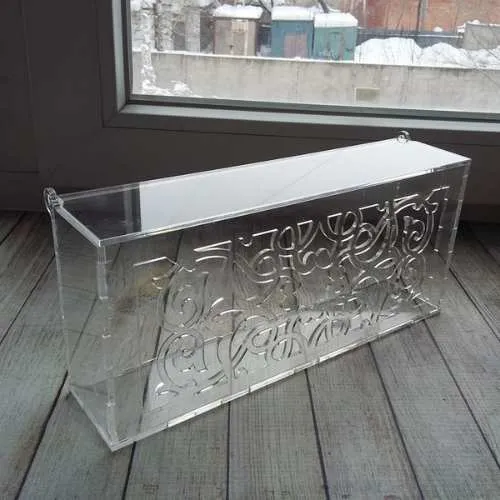
Box Creator Laser Cutter
Box structures specifically, including the fold and assembly detail behind a carton sample. -

Foam Packaging Insert Laser Cutting Machine
Protective foam inserts, where thickness and density change the parameter window.
Technical Support for Packaging Sample Cutting
Background on board behaviour, the tooling trade-off and how to decide between a laser and a knife-based sample table.
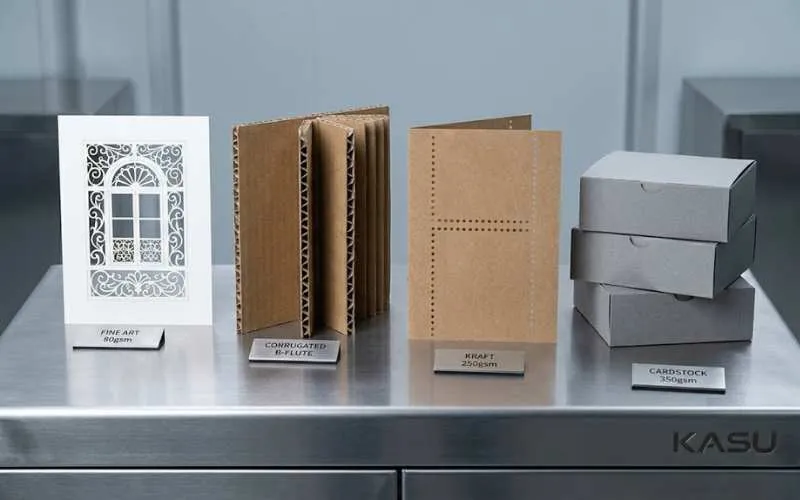


Get A Packaging Sample Cutting Machine Quotation
Send your board types and thicknesses, typical sheet size and weekly sample volume. We cut your own board free of charge, send you the folded sample so you can judge the score and the edge, and return the machine configuration.
Address: No. 105, Nanzhangjing Road, Taicang, Suzhou, Jiangsu, China
Email: [email protected]
WhatsApp: +86-18601718317