

Laser Marking Machine 101: Core Specs Decoded
laser marking machine uses focused laser energy to mark logos, serial numbers, QR codes, Data Matrix codes, batch numbers, and part IDs on metal, plastic, glass, PCB, packaging, and coated materials. It works by engraving, etching, annealing, ablation, or surface color change, depending on laser source and substrate. Distributors and OEM buyers use laser marking machine systems for traceability, product identification, anti-counterfeit marking, and regulated part coding. For compliance-driven projects, the laser marking machine can support CE-ready machine design, laser safety housing, UDI marking, and production documentation.
Laser Marking Machine Versions Compared Side-by-Side
Choose a laser marking machine by structure when floor space, loading method, safety level, workpiece size, and integration cost matter.

Desktop Laser Marking Machine
Desktop laser marking machine systems mark nameplates, tools, electronic housings, jewelry components, tags, and small parts. This laser marking machine fits compact workstations and flexible batch marking.
· Work area: 110×110mm to 300×300mm
· Structure: Open desktop workstation
· Typical User: Tool suppliers and parts distributors

Enclosed Laser Marking Machine
Enclosed laser marking machine systems include a cabinet, safety door, protective window, fume port, and worktable. This laser marking machine fits safer operation and export-focused production.
· Safety design: Interlock door and protective window
· Cabinet size: Custom by part size
· Typical User: Export factories and regulated production suppliers

Portable Laser Marking Machine
Portable laser marking machine systems mark heavy frames, molds, pipes, metal plates, assembled machines, and oversized parts. This laser marking machine fits workpieces that cannot enter a fixed cabinet.
· Laser power: 20W–50W
· Structure: Mobile stand or handheld head
· Typical User: Heavy equipment factories and repair suppliers

Integrated Laser Marking Machine
Integrated laser marking machine systems connect with conveyors, robotic cells, fixtures, barcode readers, sensors, and PLC controls. This laser marking machine fits automated production and data-linked marking.
· Interface: PLC, sensor, barcode reader
· Workflow: Conveyor or robotic loading
· Typical User: Automation integrators and OEM assembly lines
Industrial Laser Marking Machine Use Cases on the Shop Floor
Choose an industrial laser marking machine by application when code durability, reading accuracy, compliance records, and production environment shape the buying decision.
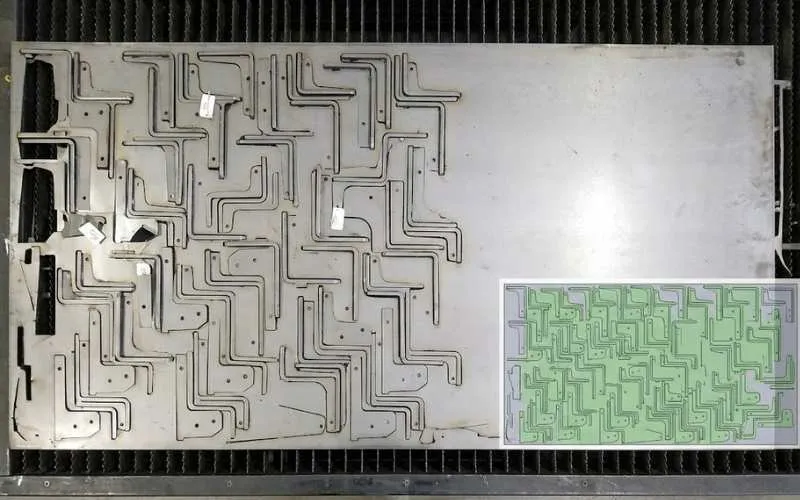
Laser Marking Machine For Metal Parts
Laser marking machine for metal parts marks CNC components, housings, tools, bearings, valve parts, fasteners, and automotive parts. This laser marking machine fits durable IDs after assembly and logistics.
· Material: Stainless steel, aluminum, brass, titanium
· Code type: Serial number, QR code, logo
· Typical User: CNC machining factories and automotive OEM suppliers

Laser Marking Machine For Packaging
Laser marking machine for packaging marks date codes, lot numbers, QR codes, and variable data on cartons, films, labels, bottles, caps, and flexible packages. This laser marking machine fits consumable-free coding.
· Material: Paper, film, carton, cap, label
· Marking content: Date code, lot number, QR code
· Typical User: Packaging factories and filling line integrators

Laser Marking Machine For Electronics
Laser marking machine for electronics marks connectors, shells, PCB boards, trays, sensors, chips, and plastic components. This laser marking machine fits compact codes and part-level traceability.
· Material: PCB, plastic housing, connector, tray
· Code size: Small QR code and Data Matrix
· Typical User: Electronics OEMs and EMS manufacturers
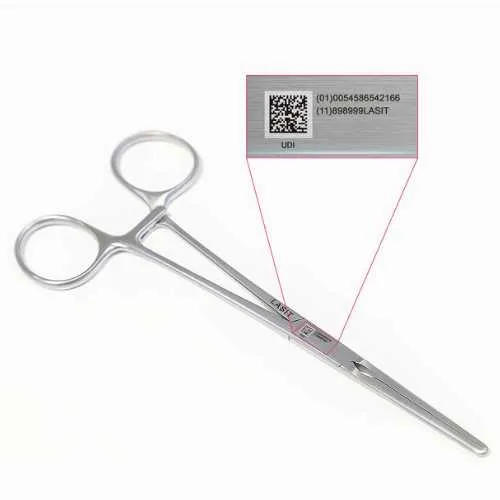
Laser Marking Machine For Medical Devices
Laser marking machine for medical devices marks stainless steel tools, plastic housings, surgical instruments, tubes, and regulated components. This laser marking machine fits UDI codes and controlled production records.
· Material: Stainless steel and medical plastic
· Code type: UDI, Data Matrix, serial number
· Typical User: Medical device OEMs and contract manufacturers
Why Our Laser Marking Machine Stands Apart
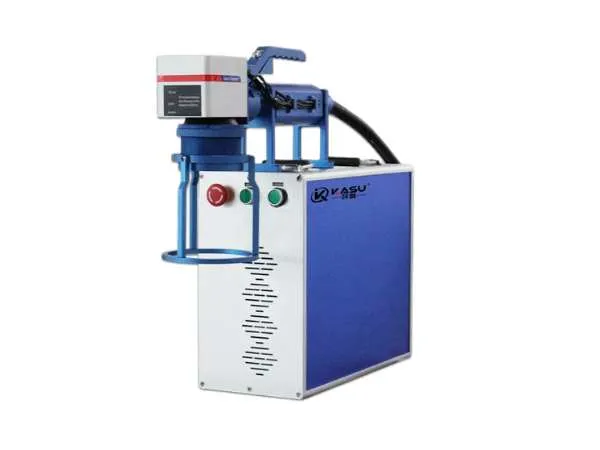
KMF-20 Fiber Laser Marking Machine
- Laser type: 20W fiber laser
- Marking speed: High
- Suitable materials: metals, coated plastics
- Applications: serial numbers, logos, barcodes
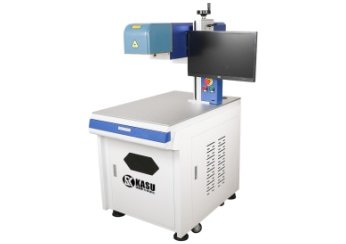
KU-10 3D Auto-Focus UV Laser Marking Machine
- Laser type: UV laser
- Focus system: 3D auto-focus
- Advantage: consistent marking on 3D surfaces
- Applications: precision components, molded parts
Beyond the Machine: Install, Training, Spare Parts
KASU supports laser marking machine projects beyond equipment supply. Support covers material testing, laser source selection, marking sample checks, fixture planning, software setup, export packing, spare parts, and remote technical service. This helps distributors, OEM manufacturers, and system integrators reduce selection risk before batch orders or line integration.

Manufacturing And Configuration Capability
KASU configures laser marking machine systems by laser source, power, lens, working area, Z-axis height, rotary axis, safety cabinet, conveyor, and control interface. Each laser marking machine can match part size, material response, code type, production volume, fixture design, and OEM branding needs.

Risk Reduction And Delivery Reliability
KASU supports laser marking machine projects with sample marking, material confirmation, machine inspection, packing checks, spare parts planning, and remote troubleshooting. These steps help B2B buyers verify mark contrast, code readability, fixture accuracy, and shipping readiness before installation.

Cooperation Model And Partner Support
KASU works with laser marking machine distributors, OEM equipment builders, and system integrators through configuration files, sample videos, application guidance, partner labeling, and after-sales response. This cooperation model helps partners handle different material tests, buyer questions, and project requirements.
Operator Feedback on Our Laser Marking Machine
Laser marking machine clients choose KASU for sample testing, material matching, OEM configuration, and production support. These cases show how distributors and OEM factories use laser marking machine systems for metal part traceability, packaging codes, electronic components, and automated marking workflows.
Common Laser Marking Machine Buyer Questions
How Do I Choose A Laser Marking Machine?
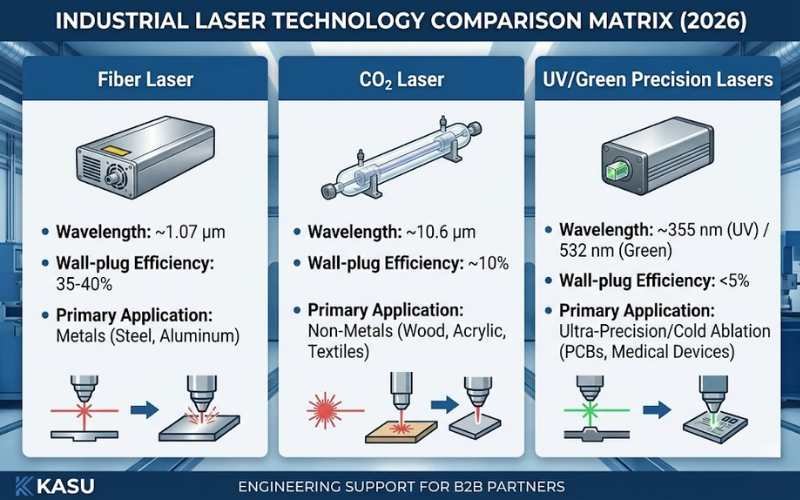
Choose a laser marking machine by material, code type, mark depth, contrast, part size, production volume, and automation needs. Fiber suits metal parts. CO2 suits organic non-metal materials. UV suits heat-sensitive plastics, glass, PCB, and fine electronic components.
What Materials Can A Laser Marking Machine Mark?
A laser marking machine can mark stainless steel, aluminum, brass, copper, titanium, ABS, PC, PEEK, glass, PCB, paper, leather, cardboard, rubber, coated metal, and packaging film. Material testing confirms contrast, heat effect, and code readability before order.
Can A Laser Marking Machine Mark QR Codes And Serial Numbers?
Yes. A laser marking machine can mark QR codes, Data Matrix codes, serial numbers, batch numbers, date codes, logos, UDI codes, warning icons, and product IDs. Code quality depends on laser source, lens size, surface finish, software settings, and fixture accuracy.
What Is The Difference Between Fiber, CO2, And UV Laser Marking Machine?
Fiber laser marking machine systems are used for metals and hard plastics. CO2 laser marking machine systems are used for wood, leather, paper, cardboard, rubber, and organic packaging. UV laser marking machine systems are used for glass, PCB, medical plastics, and heat-sensitive parts.
Can KASU Customize A Laser Marking Machine For OEM Projects?
Yes. KASU can customize a laser marking machine by laser source, power, working area, safety cabinet, rotary axis, conveyor, fixture, software language, OEM branding, and packing method. Buyers can provide material samples, code size, cycle time, and integration needs.
What Should Distributors Check Before Ordering Laser Marking Machine Systems?
Distributors should check laser source, power range, material fit, marking area, safety design, software language, spare parts, warranty terms, lead time, packing method, and OEM labeling. Sample marking helps confirm laser marking machine performance before bulk purchase.
Adjacent Machines for Laser Marking Machine Buyers
If you source laser marking machine systems for different marking tasks, you may also need fiber laser cutting machine, CO2 laser cutting machine, UV laser marking system, laser engraving machine, fume extractor, rotary fixture, conveyor module, and vision positioning system. Send your material, code size, and production volume to get a matched KASU laser marking machine proposal.
-

Fiber Laser Marking Machine
Explore Fiber Laser Marking Machine for permanent marking, fine features and heat-sensitive components, giving buyers a relevant complementary option when comparing solutions for Laser Marking Machine. -
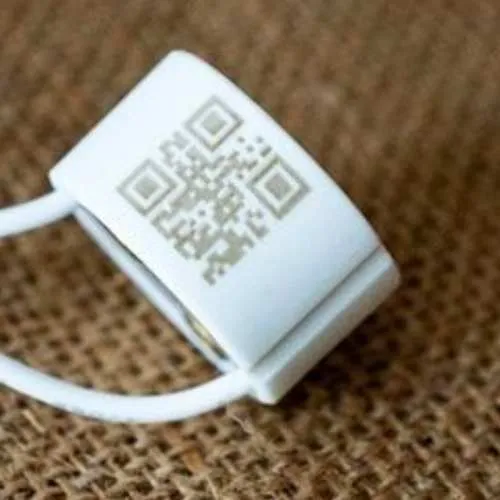
Laser Engraving Ceramics Machine
Explore Laser Engraving Ceramics Machine for permanent marking, fine features and heat-sensitive components, giving buyers a relevant complementary option when comparing solutions for Laser Marking Machine. -
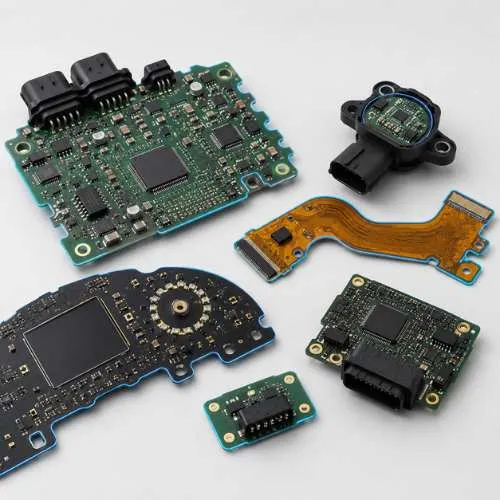
PCB Laser Cutter
Explore PCB Laser Cutter for permanent marking, fine features and heat-sensitive components, giving buyers a relevant complementary option when comparing solutions for Laser Marking Machine.
Technical Support for Laser Marking Machine
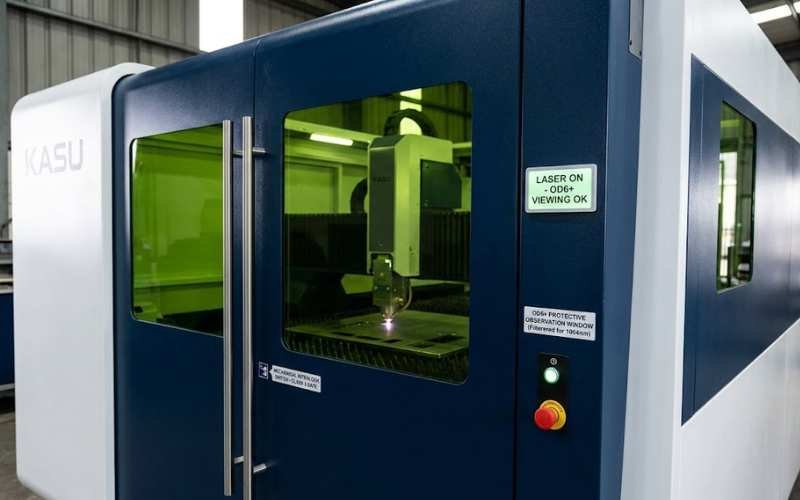
Laser marking machine projects often require support for material testing, QR code readability, lens selection, marking depth, fixture accuracy, rotary marking, software files, and production-line signals. Read KASU technical blogs about laser marking machine selection, fiber laser marking settings, UV laser marking for plastics, and CO2 laser marking for packaging, or send your sample details for engineering review.
Contact Us
Send your material type, mark size, code format, part dimensions, production volume, and automation requirements. KASU will recommend a laser marking machine configuration for your distributor, OEM, or system integration project.
Address: No. 105, Nanzhangjing Road, Taicang, Suzhou, Jiangsu, China
Email: [email protected]
WhatsApp: +86-18601718317