

Composite Fabric Cutting: What It Is And When Laser Fits
Composite fabric cutting separates reinforced textile layers before layup or further processing. A composite can contain different fibres, sizing, resin, adhesive and stitch threads, so the material name alone does not establish laser suitability. The cut edge, fumes and downstream layup requirements must be evaluated on the complete stack.
“Composite fabric” covers different cutting jobs. A dry woven or stitched reinforcement can be considered for a controlled laser sample, but fibre type alone does not establish a clean or acceptable edge. Sizing, coatings, stitch thread, areal weight and any resin change the result. Check edge condition, particulate and fumes, fibre pull-out and the downstream lay-up acceptance criteria on the actual stock.
Do not use a dry-fabric sample to approve prepreg, resin-coated cloth, honeycomb core or cured CFRP. Those need their own process review. The composite material guide explains the material-state split. If fibre orientation or ply marking is required, send the drawing and acceptance method; the published machine pages do not demonstrate those functions on your reinforcement.
Four Material Checks Before A Machine Choice
Each construction needs its own sample result; no fibre family is automatically approved for laser production.

Dry Woven Carbon Fabric
Check weave, sizing and edge acceptance. Test one ply for tow disturbance, heat marks and conductive debris; confirm extraction before production.

Dry Glass Or Basalt Fabric
Identify any binder or coating. Inspect the real cut edge for beads, loose fibres and dust before choosing laser or knife cutting.

Dry Aramid Or Hybrid Weave
Compare laser and knife edges on the same stock. Check charring, fraying and whether the part specification permits the result.

Stitched Multiaxial Fabric
Confirm stitch-thread chemistry and ply orientation requirements. Test handling and edge stability; camera registration to the stitch line is not assumed.
Compare Published Table Layouts After A Sample Test
These product pages verify machine layout and working area, not a composite cut result. Choose only after checking material, edge and extraction.

KD2016-SY | 2,000 Mm Class Vision Table
Published layout: 2000 × 1600 mm without vision or 2000 × 1450 mm in vision mode; dual CO₂ heads. Compare when the approved dry ply fits this area. Camera alignment to a composite weave and ply marking require a separate demonstration. View model details.
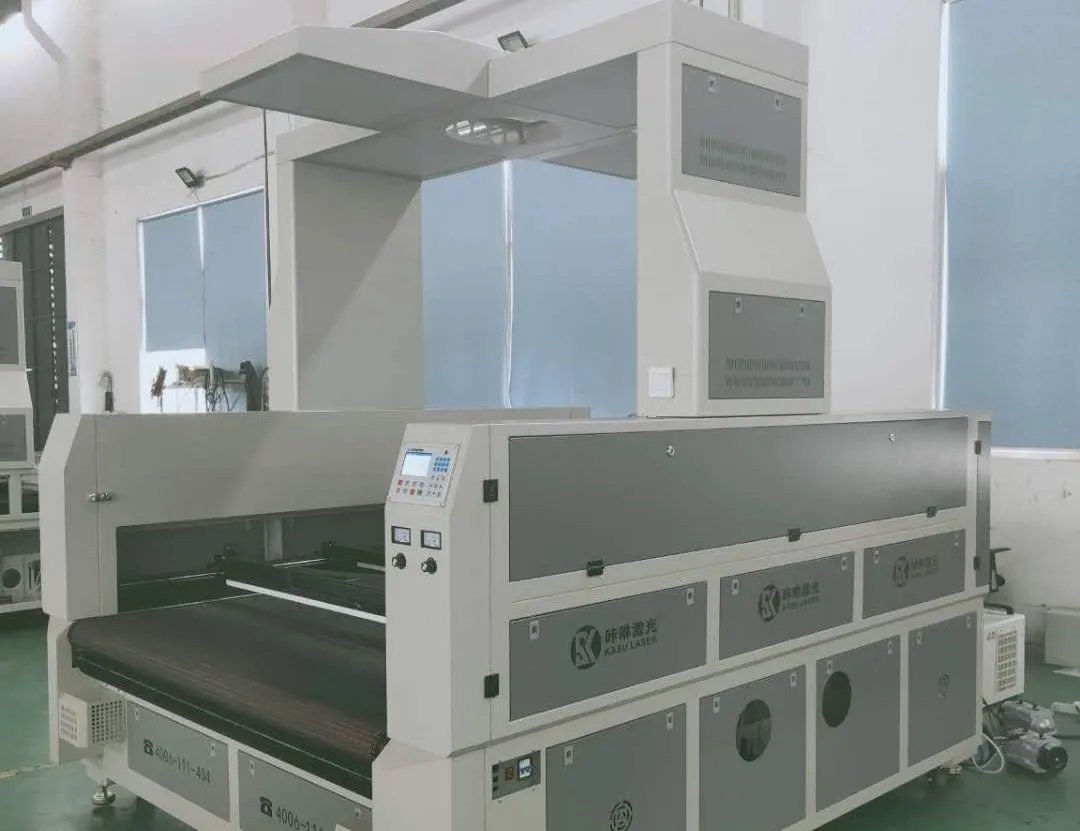
KD1822-SY | Longer Vision Table
Published layout: 1800 × 2200 mm without vision or 1800 × 2000 mm in vision mode; dual CO₂ heads. Compare for a longer approved dry ply. Confirm usable nesting area, edge and handling on a sample. View model details.

K1610-F4 | Repeated Plain Shapes
Published layout: 1600 × 1000 mm honeycomb table with four CO₂ heads and no published camera option. Compare repeated unregistered shapes only after material testing; four heads do not prove fourfold output on this stock. View model details.
Why Work With KASU On Composite Fabric?
Our team checks the actual job, then records what we can supply and support.

KASU Starts With The Composite Stack, Not A Machine Claim
- Our team checks whether the supplied dry fabric or other stack is a laser candidate, then defines the sample and edge acceptance test before proposing a published layout.
- If laser processing is suitable, KASU can document the proposed table and support scope; unsuitable stacks receive a process warning rather than a laser promise.
Composite Fabric Cutting: Buyer Questions
Can One Laser Setting Cut Every Composite Fabric?
No. Dry carbon, glass, basalt, aramid and stitched fabrics have different fibres, sizing and coatings. Screen the full construction and test the actual stock against its edge and lay-up requirements.
Can I Use This Layout For Prepreg Or Cured CFRP?
Do not infer that from dry-fabric cutting. Resin-bearing prepreg needs a resin and heat-effect review, and knife cutting may be preferable. Cured rigid laminate requires a separate trimming-process comparison.
Does A Top Camera Verify Fibre Orientation?
Not from the published machine specifications. The top-camera layouts are documented, but recognition of a particular weave or stitch line and the permitted orientation error must be demonstrated on your material.
Can The Machine Mark Every Ply As It Cuts?
Do not assume it. Send the required ply ID, marking location, traceability method and lay-up rule for a separate demonstration. Check that any mark is allowed by the part specification.
Which Layout Should I Compare?
After a successful material sample, compare KD2016-SY for a 2000 × 1450 mm vision area, KD1822-SY for a 1800 × 2000 mm vision area, or K1610-F4 for repeated plain shapes on a 1600 × 1000 mm table. Confirm actual usable ply size and process output.
What Determines The Quotation?
Material state and coating, usable ply dimensions, number of shapes, camera need, extraction design and required output all affect the configuration. Send the sample and acceptance criteria to receive a relevant proposal.
What Should I Send For A Cutting Review?
Send the fibre and resin or sizing datasheet, single-ply samples, areal weight, roll width, ply drawings, edge and marking rules, expected daily kit volume and any ventilation requirements.
Related KASU Cutting Solutions
Compare each fibre family with its own material and edge requirements.
-
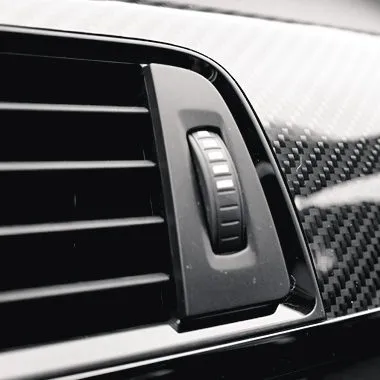
Carbon Fiber Laser Cutter
Review carbon-fibre cutting questions; verify the material state before selecting a process. -
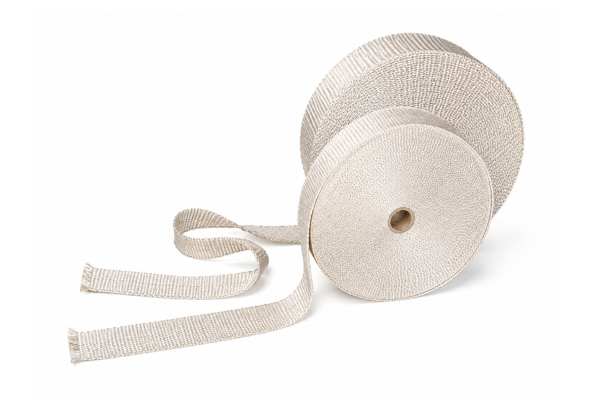
Fiberglass Laser Cutting Machine
Review glass-fabric coating and edge requirements on the dedicated page. -
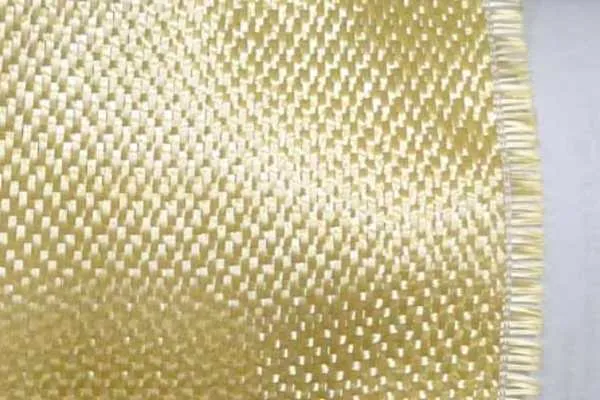
Kevlar Laser Cutting Machine
Review aramid edge quality and when a knife process should be compared.
Composite Material and Process Guides
Check the material state and process limits before requesting a cutting test.


Send A Composite Fabric Sample For Review
Share the fibre and sizing or resin datasheet, a single-ply sample, roll width, ply drawing, edge and marking acceptance criteria, and daily kit target. KASU can first review material suitability and then discuss a sample cut and machine layout if appropriate.
Address: No. 105, Nanzhangjing Road, Taicang, Suzhou, Jiangsu, China
Email: [email protected]
WhatsApp: +86-18601718317